ISRAEL AT THE CROSSROADS: Will October 27 Finally Bring an End to the Reign of Benjamin Netanyahu?
After years of political turmoil, the catastrophe of October 7, 2023, the devastation of Gaza and an increasingly bitter confrontation over the future of Israeli democracy, voters face a question tomorrow that reaches far beyond the fate of one prime minister: Can Israel change direction without changing its fundamental understanding of its place in the Middle East?
On Tuesday, October 27, 2026, Israelis go to the polls in an election that could finally bring down Benjamin Netanyahu, the man who has dominated Israeli politics for much of the past three decades.
For Netanyahu, 76, the stakes could hardly be higher. His Likud party faces a formidable challenge from an opposition led by former Israel Defense Forces chief of staff Gadi Eisenkot. Polling published in the final days of the campaign places Eisenkot’s party, Yashar, ahead of Likud, while suggesting that Netanyahu’s existing coalition is unlikely to retain its parliamentary majority. Yet, as anyone who has followed Israeli politics knows, defeating Netanyahu at the ballot box and assembling a government capable of replacing him are two very different propositions.
This is a contest about much more than personalities. It is a referendum on the political consequences of October 7, 2023, the future of Israeli democracy, the country’s relationship with the Palestinians, the increasingly strained relationship with its international partners, and the question of whether Israel can emerge from years of war with a credible vision of peace.
For VanRamblings readers, there is also a more uncomfortable question: if Netanyahu loses, will Israel actually change, or will it simply replace one right-wing government with another that manages the conflict rather than resolving it?
Netanyahu’s Political Career Has Been Extraordinary
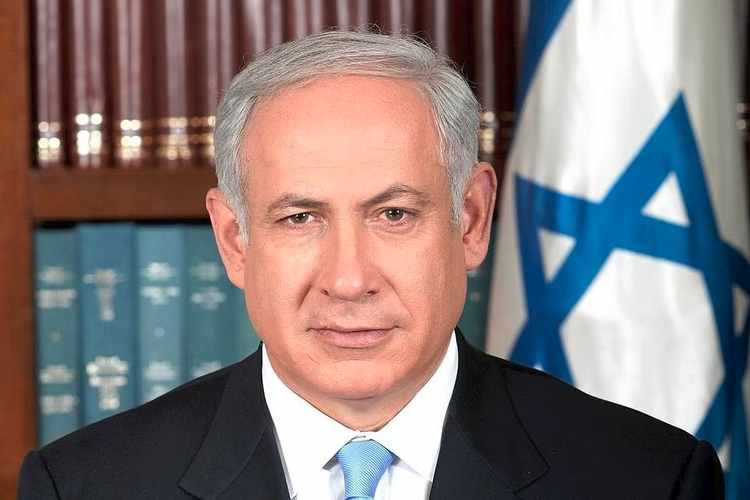
First elected prime minister in 1996, after defeating Shimon Peres, he subsequently returned to power in 2009 and remained prime minister until 2021. After a brief period in opposition, he returned to office in December 2022, leading what became one of the most right-wing and religiously conservative governments in Israel’s history.
His political genius has always been his ability to persuade a substantial portion of the Israeli electorate that, whatever his personal shortcomings, he is the indispensable guardian of the Jewish state.
Netanyahu speaks the language of national security fluently. He has cultivated a close relationship with American conservatives, positioned himself as an implacable opponent of Iran’s regional ambitions and repeatedly presented his leadership as the only reliable defence against Israel’s enemies.
But his extraordinary longevity has come at a cost.
His latest government depended on far-right nationalist politicians, including National Security Minister Itamar Ben-Gvir and Finance Minister Bezalel Smotrich, whose positions on Palestinian territory, Israeli settlements and the treatment of Palestinians have alarmed international observers and many Israelis.
Before October 7, Netanyahu’s proposed overhaul of Israel’s judiciary prompted enormous demonstrations. Hundreds of thousands of Israelis took to the streets to oppose measures they believed would weaken judicial independence and undermine the checks and balances essential to a functioning democracy.
The protests exposed a country deeply divided over its identity: a liberal, democratic state governed by the rule of law, or a state in which an increasingly powerful nationalist and religious coalition could reshape its institutions to protect its own political interests.
Then came October 7.
October 7, 2023: The failure that changed everything
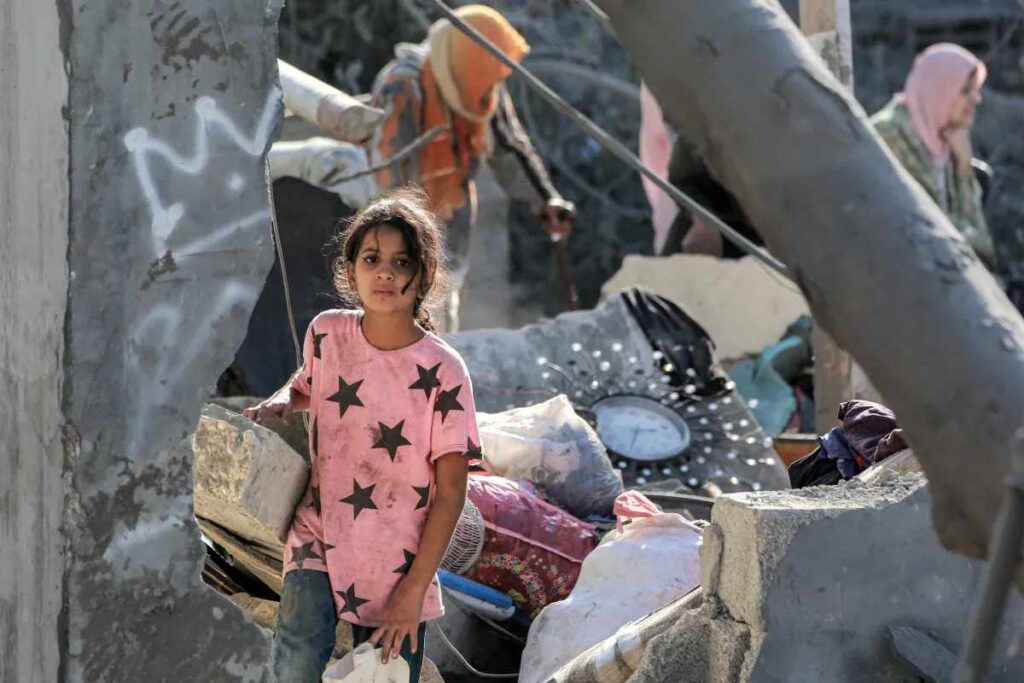
The Hamas-led attack on southern Israel was the deadliest assault in the country’s history. Approximately 1,200 people were killed, and 251 were taken hostage. Communities were devastated, families were shattered, and Israelis experienced a profound collapse of their sense of security.
Three years later, the central political question remains unavoidable: how could a country with Israel’s formidable military and intelligence capabilities have suffered such a catastrophic failure?
Netanyahu has argued that responsibility for the intelligence and security failures was shared across the country’s security establishment. His critics counter that a prime minister who has spent years presenting himself as Israel’s indispensable security expert cannot escape responsibility for the greatest security disaster on his watch.
Reports that foreign officials warned of an impending threat before the attack have intensified scrutiny. Netanyahu denies allegations that he knowingly disregarded advance warnings, and those allegations must be distinguished from established findings. But his refusal to authorize an independent state commission of inquiry has reinforced suspicions that he is more concerned with preserving his political future than establishing the full truth.
The families of those killed, survivors of the attack and relatives of hostages have demanded accountability. Their anger has become one of the defining forces of the election campaign.
Netanyahu has sought to counter that anger by pointing to Israel’s military operations against Hamas, Hezbollah and Iran. For his supporters, those operations demonstrate his determination to defend the country. For his opponents, battlefield achievements cannot erase the failure that allowed October 7 to happen.
The question facing voters is whether they are prepared to accept another term from a leader who, in their view, has already had his opportunity to demonstrate that he can keep them safe.
Who could replace Netanyahu?
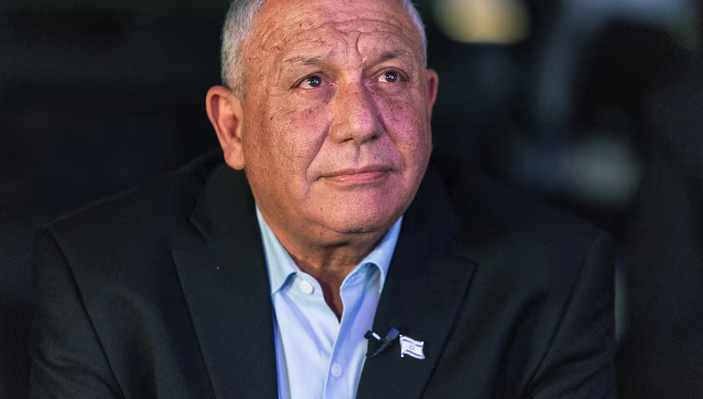 Gadi Eisenkot, Israeli general, politician, leader of the Yashar party, former Chief of Staff of the Israel Defense Forces, advocate for a two-state solution with the Palestinians
The opposition is not a single, ideologically unified movement. It is a collection of parties whose common objective is to remove Netanyahu, but whose views on security, Palestinian statehood, religion and domestic policy differ considerably.
Gadi Eisenkot and Yashar have emerged as a central force in the campaign. A former military chief of staff, Eisenkot presents himself as a disciplined, relatively unpretentious alternative to Netanyahu. He promises more accountable government and a return to competent administration, while retaining a hard-line approach to national security.
Eisenkot’s appeal is particularly significant among Israelis who remain politically conservative but have lost confidence in Netanyahu’s leadership. He offers them an opportunity to change the government without embracing a dramatic leftward shift in Israeli politics.
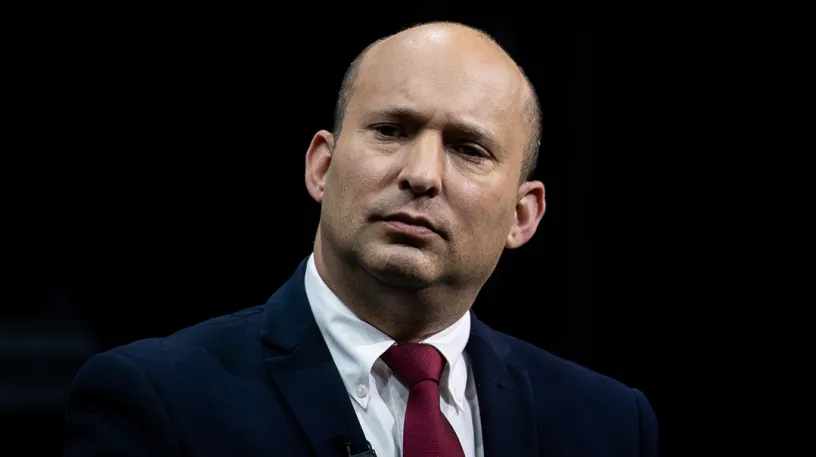 Naftali Bennett, Israeli politician, served as the Prime Minister of Israel from 2021 to 2022, alternate PM, July to November 2022, Minister without portfolio 2023 to 2024 in unity government
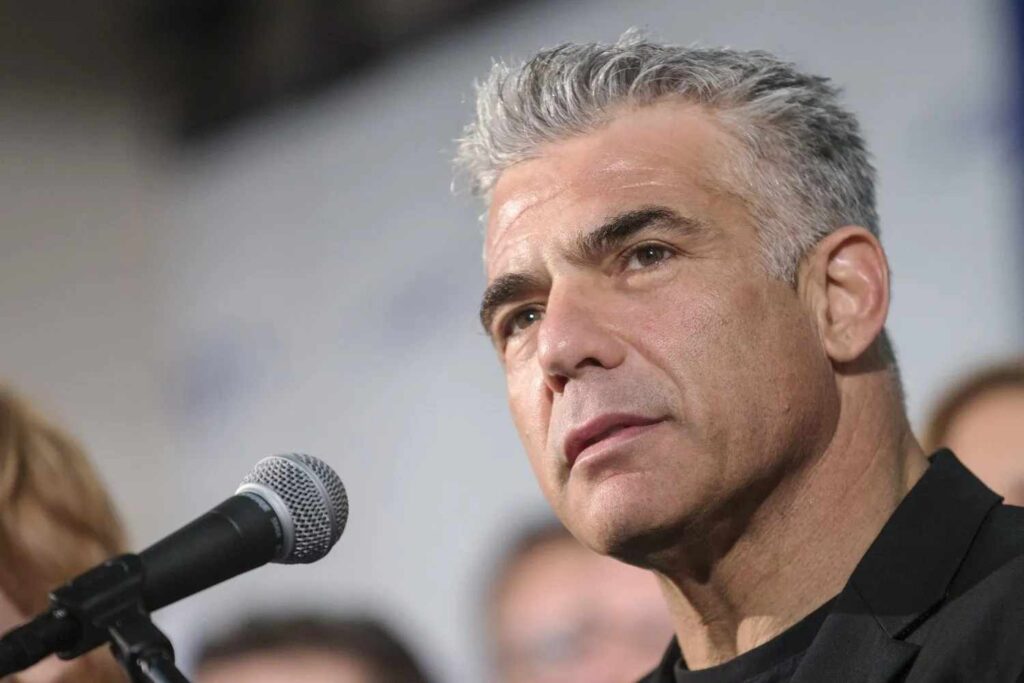 Yair Lapid, former journalist, Israeli lawmaker and leader of centrist Yesh Atid party
Naftali Bennett and Yair Lapid are another important part of the opposition picture. Their political partnership recalls the coalition that removed Netanyahu from office in 2021. Bennett, a former prime minister and religious nationalist, is hawkish on security and opposed to Palestinian statehood. Lapid, a centrist former prime minister, represents a more secular and liberal political tradition.
 Yair Golan, leader of The Democrats, former Labour Party leader, reserve major general in the IDF
Yair Golan and The Democrats occupy a more explicitly social democratic position.
Golan, a former deputy chief of staff of the IDF, leads a party bringing together elements of Israel’s Labour and Meretz traditions. His political priorities include democratic institutions, social equality, opposition to West Bank annexation and greater accountability for settler violence.
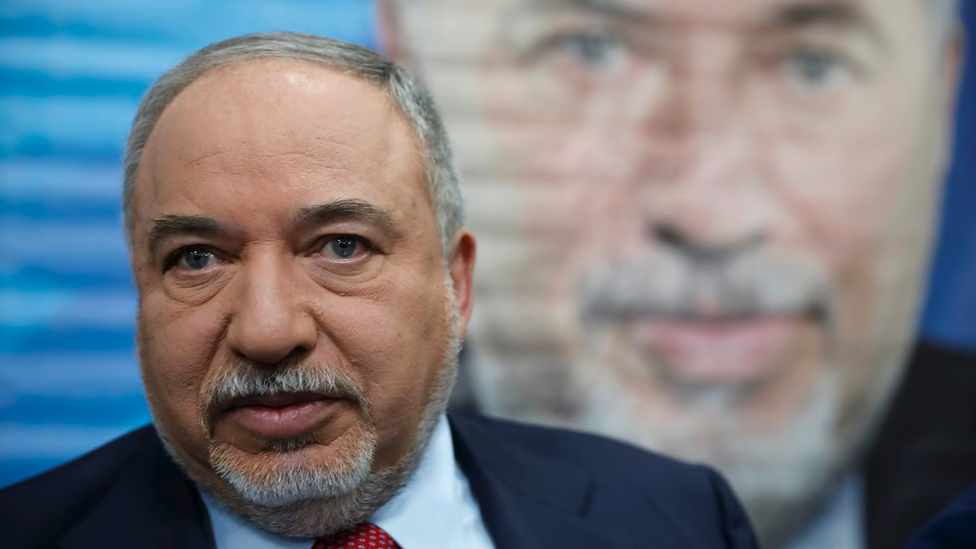 Avigdor Lieberman, served as Minister of Finance 2021-2022, Deputy PM, 2006-2008 and 2009-2012
Other significant players include Avigdor Lieberman, a nationalist politician whose Yisrael Beiteinu party has clashed with the ultra-Orthodox establishment, and the Arab-led parties, whose parliamentary representation could prove decisive.
The fundamental difficulty for Netanyahu’s opponents is that their agreement on removing him does not necessarily translate into agreement on what should follow.
The likely election result: A defeat for Netanyahu, but not necessarily a new government
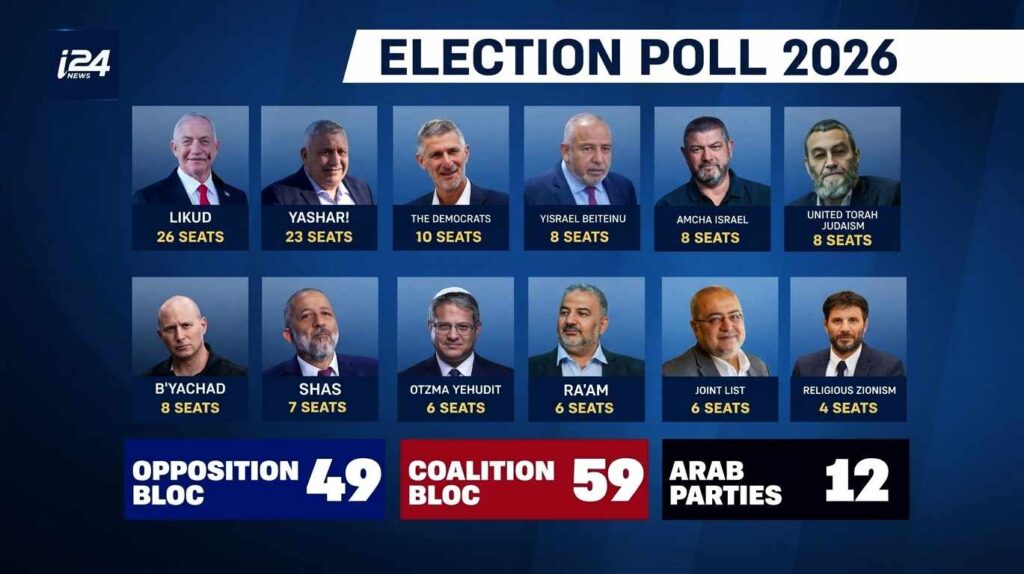
The latest polling available as of October 19 suggests that Netanyahu’s coalition is in serious trouble.
An election polling average puts the outgoing coalition at approximately 50 seats, well short of the 61 required for a Knesset majority. Eisenkot’s Yashar has been leading the party standings in most recent polls. But the opposition parties, taken together, have not established an indisputable path to a stable governing majority.
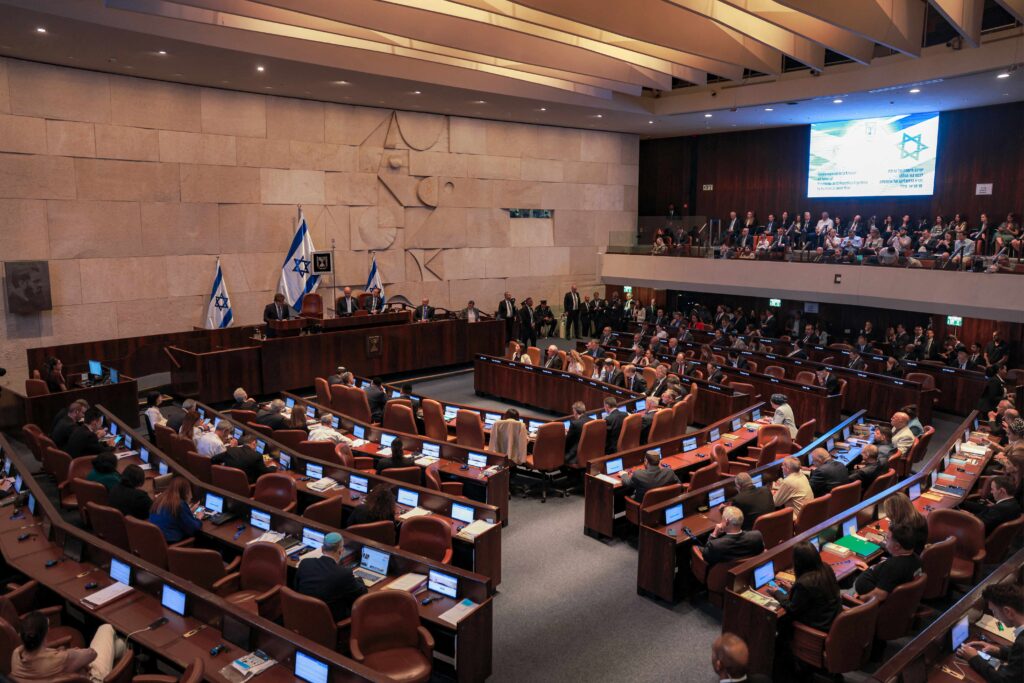
Israel elects its 120-member Knesset through proportional representation. Voters choose party lists, not a prime minister directly. The president subsequently consults political representatives and entrusts a member of the Knesset with attempting to form a government.
Consequently, the party winning the most seats does not automatically govern.
The Arab vote could be pivotal. Palestinian citizens of Israel constitute roughly one-fifth of the population, and Arab-led parties may hold the balance of power if the election produces a closely divided parliament. Yet both Netanyahu and major opposition figures have resisted committing to coalition arrangements with Arab parties, creating a potentially self-defeating obstacle to a change of government.
VanRamblings’ assessment is that Netanyahu is more likely than not to lose his governing majority. Whether he actually leaves office will depend on the coalition negotiations that follow.
Another inconclusive election, followed by weeks of bargaining and political deadlock, remains entirely possible.
Could Eisenkot and Golan share power?
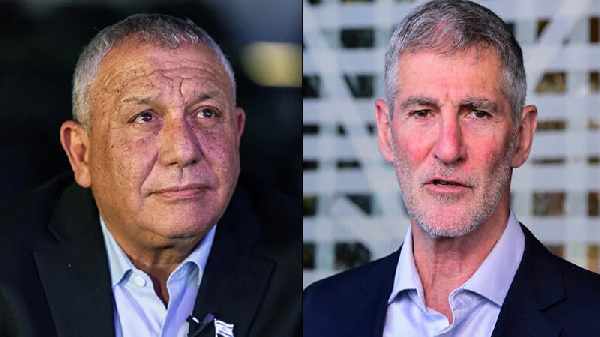 Possible: a coalition of Eisenkot (left), a security focused centrist, and Golan’s social democrats
One potentially attractive scenario for Netanyahu’s opponents would be a broad government bringing together Eisenkot’s security-focused centrists and Golan’s social democrats, with Bennett and Lapid or other centrists providing additional parliamentary support.
In such an arrangement, Eisenkot could plausibly take responsibility for national security and defense, while Golan and The Democrats press for a more socially progressive domestic programme.
It is an appealing division of labour on paper. A former military chief would oversee Israel’s defence, while a politician from the social democratic tradition would concentrate on domestic governance, democratic institutions and social cohesion.
But this should be understood as a possible political arrangement, not a confirmed agreement assigning those portfolios to Eisenkot and Golan. The opposition has not demonstrated that it can assemble a majority around that specific formula.
The differences would be substantial. Eisenkot is a security hawk who has rejected Palestinian statehood as presently proposed and supports strengthening some Israeli settlements. Golan has been more explicit about halting annexation and confronting extremist settler violence.
Their coalition would have to reconcile those positions while addressing the ultra-Orthodox exemption from military service, the cost of living, judicial independence, strained relations with Washington and the immense expense of rebuilding communities damaged by war.
The challenge would be to demonstrate that replacing Netanyahu means more than replacing the people occupying his ministers’ chairs.
Donald Trump and Netanyahu: An alliance of political convenience
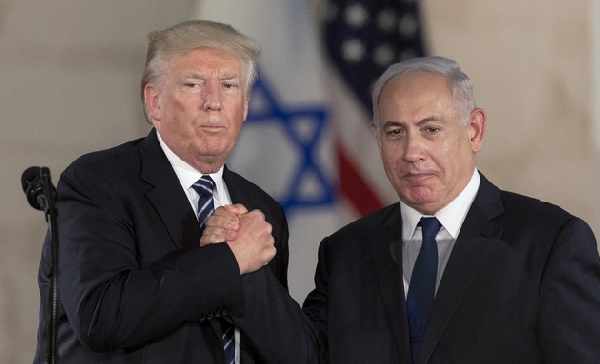
Netanyahu and Donald Trump have cultivated one of the most consequential relationships in modern Middle Eastern politics.
During Trump’s first presidency, the United States recognized Jerusalem as Israel’s capital, moved its embassy there and recognised Israeli sovereignty over the Golan Heights. The Trump administration also brokered the Abraham Accords, normalizing relations between Israel and several Arab states.
Netanyahu presented these developments as historic diplomatic achievements. His relationship with Trump reinforced his reputation as an internationally influential leader capable of securing American support.
Yet the relationship has always been transactional. Trump prizes displays of strength and political loyalty; Netanyahu needs American military assistance, diplomatic protection and support against Iran.
On October 18, Trump publicly endorsed Netanyahu, describing him as a formidable ally against Iran. The endorsement may energise Netanyahu’s supporters, but it also underscores the extent to which the Israeli prime minister has attached his political fortunes to an American president whose own priorities can change rapidly.
Trump’s support is no guarantee of electoral success. Israeli voters, particularly those who believe their government failed them on October 7, will make their decision based on their own country’s experience.
Gaza, genocide allegations and the question of international justice
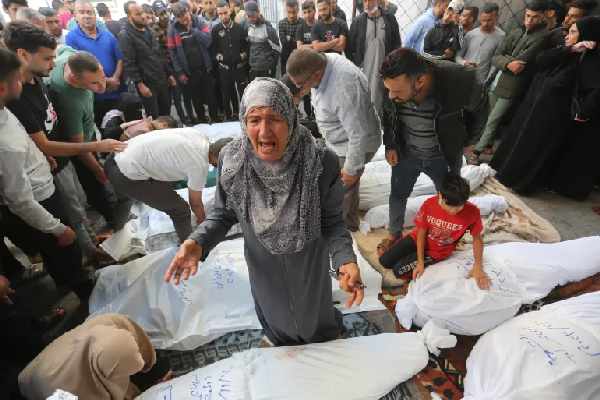
No discussion of Netanyahu’s future can avoid Gaza.
Israel’s military campaign following October 7 has devastated the territory, destroying homes, hospitals, schools and much of its civilian infrastructure. The resulting humanitarian catastrophe has generated international condemnation and allegations of grave violations of international law.
Netanyahu’s government insists that its war aims have centred on defeating Hamas and preventing another October 7. Hamas’s deliberate killing of civilians and hostage-taking were grave crimes. But the crimes committed by Hamas do not absolve Israel of its own obligations under international humanitarian law.
The legal distinction surrounding genocide is particularly important.
The International Court of Justice (ICJ), often called the World Court, is considering South Africa’s case alleging that Israel has violated the Genocide Convention. The proceedings remain ongoing. The court’s provisional measures were not a final determination that genocide had occurred.
Separately, the International Criminal Court (ICC) issued an arrest warrant for Netanyahu on November 21, 2024. The warrant concerns alleged war crimes, including starvation as a method of warfare, and crimes against humanity, including murder and persecution. It is not an arrest warrant charging him with genocide.
International Criminal Court. These are different courts with different mandates. The ICJ adjudicates disputes between states; it does not prosecute individual political leaders. The ICC prosecutes individuals for international crimes within its jurisdiction.
Could Netanyahu eventually face additional legal consequences, including proceedings related to genocide? Further legal developments are possible, but no outcome should be presented as predetermined. The relevant courts must assess the evidence and applicable law.
A defeat at the ballot box would not extinguish existing legal proceedings. Nor would it automatically lead to his arrest. Accountability depends on the courts, the evidence, and the willingness of states to honour their legal obligations.
What would a post-Netanyahu Israel look like?
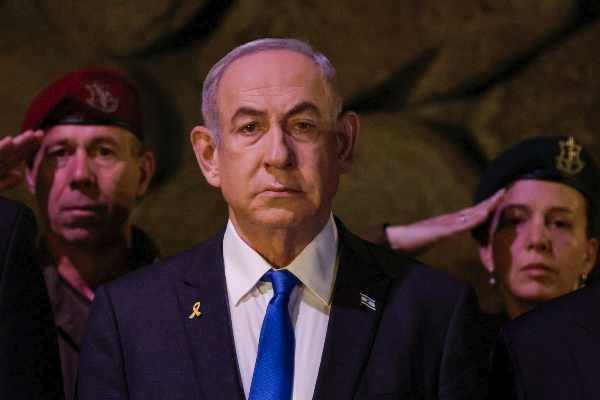
A change of government could restore a measure of confidence in Israeli institutions, improve relations with European governments and reopen space for more pragmatic diplomacy with Arab states.
It could also permit an independent investigation into October 7, a reassessment of military priorities and a less confrontational relationship between the government and Israel’s judiciary.
A post-Netanyahu Israel should not be confused with a post-Netanyahu political ideology.
Eisenkot and Bennett are not advocates of an immediate Israeli withdrawal from all occupied Palestinian territory. Both are national security conservatives, and neither offers a straightforward path to Palestinian sovereignty.
For Palestinians, therefore, a Netanyahu defeat may offer some relief without delivering the transformation they need.
In Gaza, the immediate priorities must be durable security arrangements, humanitarian access, reconstruction, functioning hospitals and schools, and a legitimate Palestinian civil administration capable of governing without Hamas’s armed rule or indefinite Israeli military control.
Reconstruction cannot simply mean clearing rubble while leaving Palestinians without political rights, economic opportunity or control over their future.
The West Bank presents a different but equally serious challenge. Settlement expansion, settler violence, restrictions on Palestinian movement and proposals for annexation threaten to make a viable Palestinian state increasingly difficult to establish. Recent attacks on Palestinians and foreign observers have demonstrated the urgency of confronting extremist violence and ensuring accountability.
Any new Israeli government that genuinely wishes to restore international credibility must confront these issues rather than merely changing the rhetoric surrounding them.
Is a two-state solution still possible?
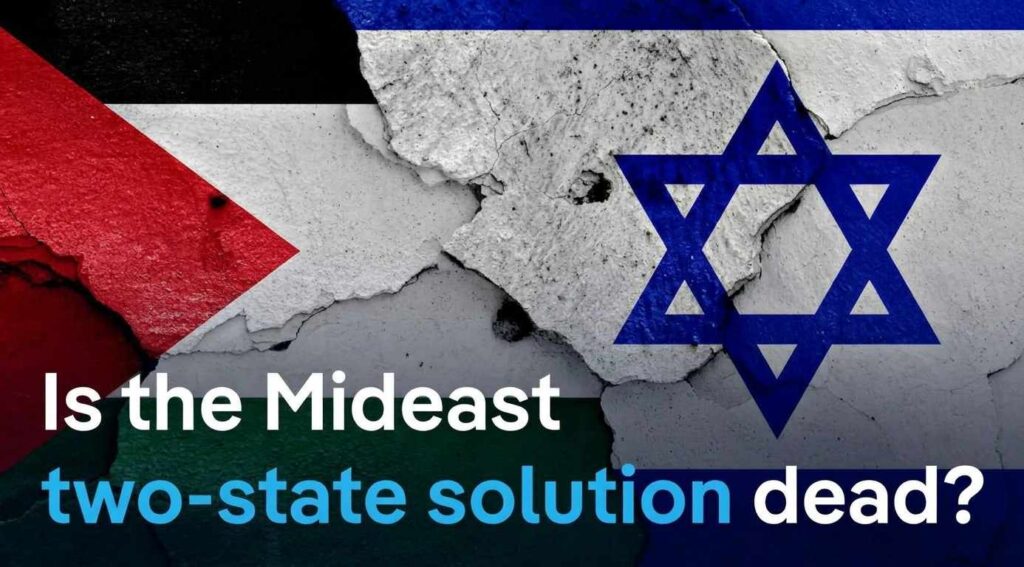
The two-state solution — an independent Palestinian state alongside Israel, with mutually agreed arrangements for borders, security, Jerusalem and refugees — remains the most widely recognised diplomatic framework for resolving the conflict.
It is also in danger of becoming an aspiration without a constituency powerful enough to realize it.
Israeli public opinion remains deeply sceptical, shaped by decades of violence and the trauma of October 7. Palestinian public opinion is likewise marked by distrust, dispossession, political division and the destruction of Gaza. Recent research from the Pew Research Center illustrates the profound pessimism on both sides about peaceful coexistence.
Yet the alternatives are hardly reassuring: permanent occupation, recurring wars, further settlement expansion, or a single political territory in which millions of Palestinians remain without equal rights.
A viable two-state agreement would require Israeli recognition that Palestinians have a right to self-determination, alongside credible security guarantees for Israel. It would require Palestinian leadership capable of governing legitimately, preventing attacks on civilians and negotiating a settlement. It would also require sustained international engagement, including meaningful participation by the United States and Arab states.
None of this will happen overnight. Nor will it happen simply because Netanyahu is gone.
But a government that rejects annexation, curbs settler violence, supports Palestinian civil governance in Gaza and engages seriously with a negotiated political settlement could begin to reverse the forces making peace increasingly unattainable.
October 27: More than a referendum on one man
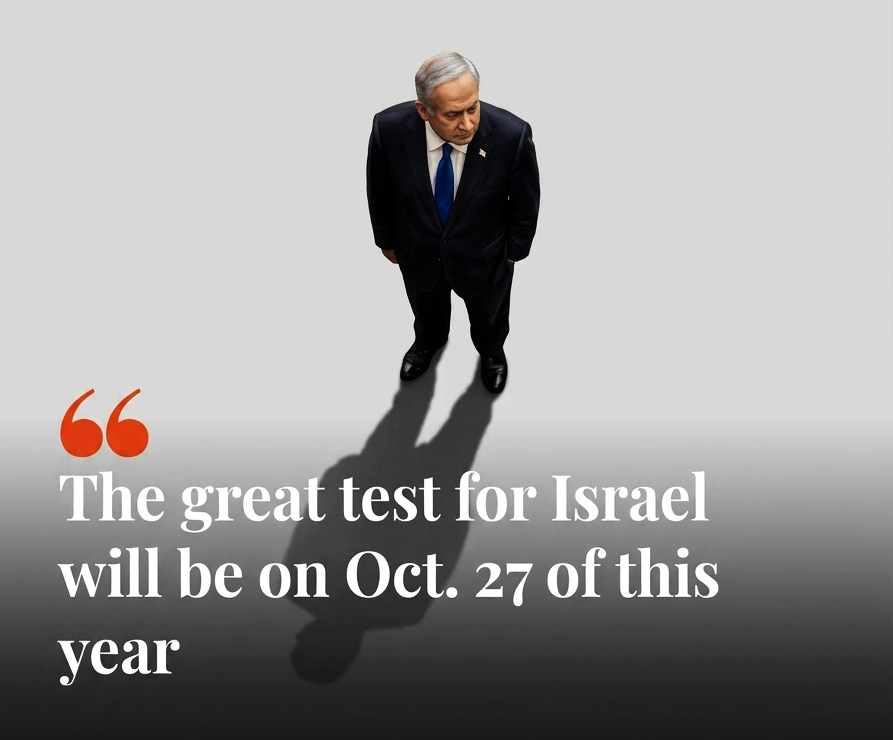
Benjamin Netanyahu has survived political defeats, fractured coalitions, mass protests, corruption proceedings and extraordinary international pressure. His ability to outlast opponents has made him appear almost invulnerable.
This election may finally prove otherwise.
If Netanyahu loses, Israel will have an opportunity to begin repairing the damage inflicted on its democratic institutions, its international standing and its own citizens’ confidence in government. But the opportunity will be squandered if his successors merely reproduce his security policies under a less divisive public face.
A new government must be judged not only by whether it restores administrative competence, but by whether it can imagine a future beyond perpetual war.
For Israelis, that means security, accountability and a government that answers to its citizens. For Palestinians, it means survival, freedom, political representation and the right to determine their own future.
For the wider Middle East, it means replacing an endless cycle of violence with a political settlement that recognises the rights and security of both peoples.
Peace is not inevitable. Nor is it impossible.
The question facing Israeli voters on October 27 is whether they are prepared to give their country a chance to pursue something beyond the politics of fear — and whether the leaders waiting to replace Netanyahu possess the courage to take that chance.
For all the uncertainty surrounding this election, one thing is clear: removing Benjamin Netanyahu would be a consequential beginning. It would not, by itself, be the end of Israel’s political crisis, the end of the occupation, or the beginning of peace.
That harder work would start the morning after the ballots are counted.