Tag Archives: housing co-operatives

#VanPoli | Vancouver Council’s Priorities Early in Their New Term of Office

(Re-published article, written by Isabella Zavarise for CTV Vancouver News)

Vancouver Councillors Pledge to Reverse Previous Council’s Decisions
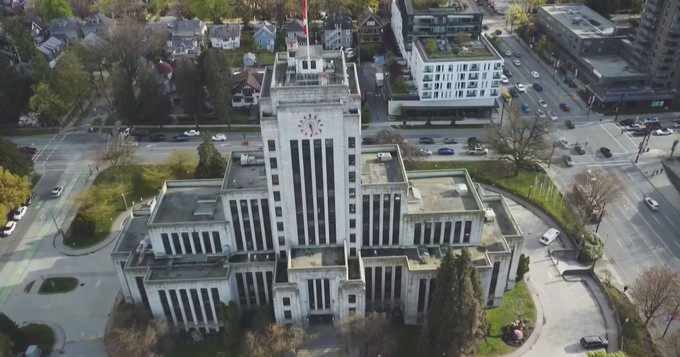
Vancouver City Councillors say they’re ready to get to work and deliver on their campaign promises, following a new term that will see a left-leaning council led by the city’s first Green Party Mayor.

On Saturday, Vancouverites elected four Councillors from COPE and the Vancouver Green Party, as well as Lucy Maloney with One City and ABC’s Mike Klassen.

The Greens and COPE are already committing to some shared promises such as reviewing the city’s budget.
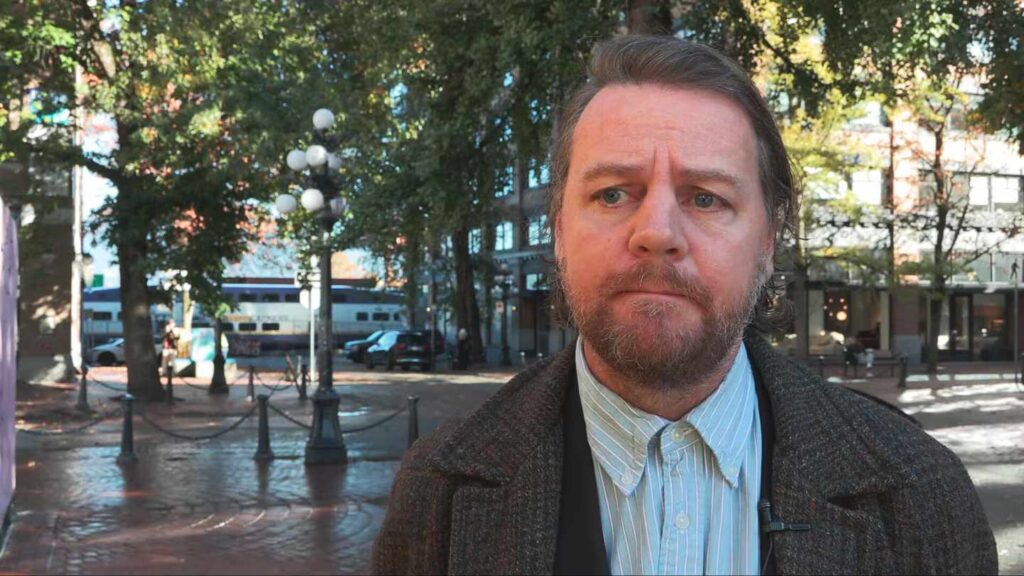
COPE City Councillor Sean Orr, who received the highest number of votes of any Council candidate, with 83,038, said that will be one of his first priorities following inauguration in November.

“We didn’t see a lot of transparency in the last budget,” he said.

“It was famously very small. It wasn’t line-by-line. So, we need to go in and look at that and see the mess that we can clean up, see some opportunities as well for some cost savings.”

Annette Reilly, a newly elected City Councillor with the Greens, agreed, adding that once the budget is reviewed, the party would like to re-introduce some of the initiatives that were scrapped in the previous four years under ABC, such as the Renters Office which was shuttered in 2023, and the Equity Office which closed last year.
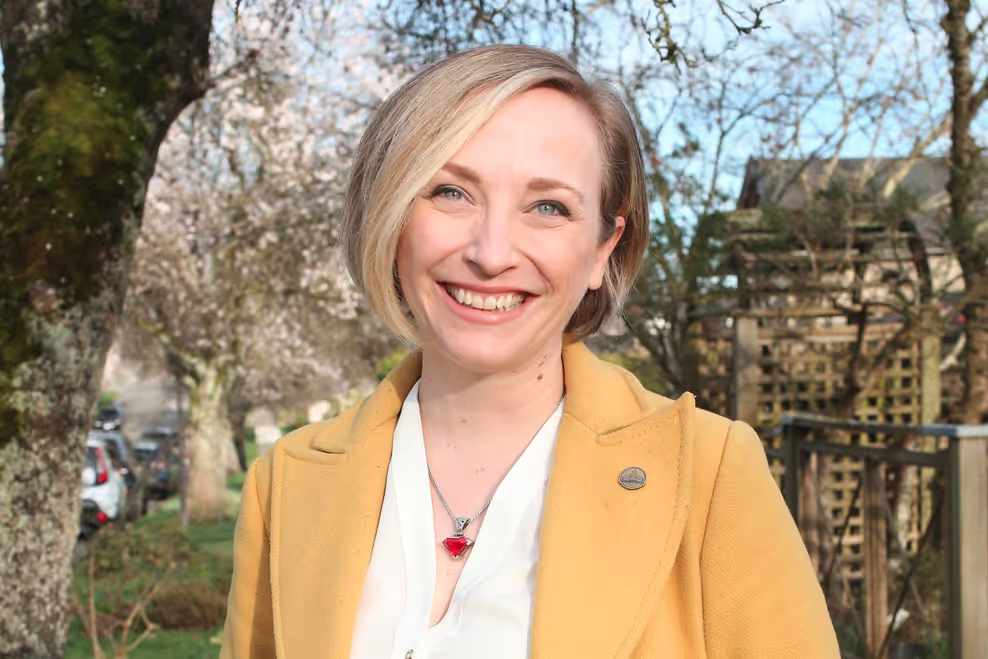
Reilly said she wants to champion renewing leases for co-ops, and address faster permitting for child-care spaces.

“That’s something I’d like to focus on right away,” she said.

Both Orr, Maloney and Reilly support reversing the ban on net-new supportive housing.

Orr said he will also be initiating a motion to bring back the city’s Living Wage Policy, which was scrapped in January, and will advocate for greater funding for libraries and recreation centers.

“Vancouver does have a lot of money, and we can fully fund the things that make Vancouver great, like our arts organizations,” he said.

COPE’s platform included a mansion tax, which would impose a one per cent tax on homes over $5 million to pay for public housing.

“We definitely think that there’s a lot of wealth in Vancouver, and that wealth can be redistributed,” said Orr.

As for the Vancouver Police budget, Orr said he believes there will be cost savings there.
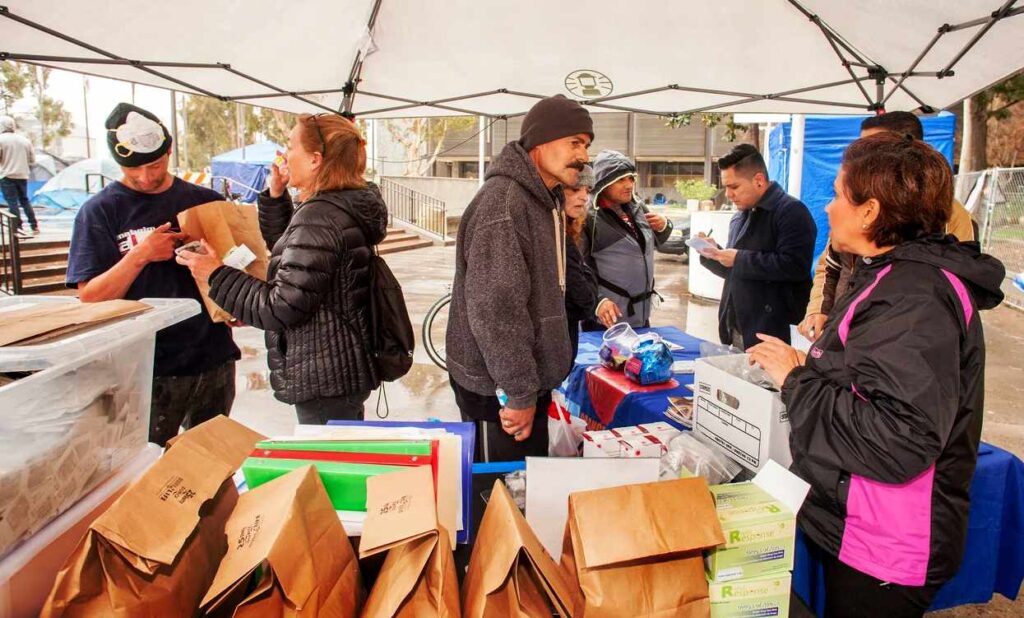
He added that he supports the Greens’ campaign promise to introduce a Community Response Outreach Workers Team to respond to non-emergency calls regarding homelessness, public intoxication, and mental health crises.

“Getting mental health off of the plate of the police,” Orr said.

“We know that they don’t want to be doing that work either, and we need to be addressing that proactively, not re-actively.”

Both Orr and Reilly added they’re looking forward to the next term, and plan to work across party lines.

Lucy Maloney, with One City, said, “Vancouver residents have clearly expressed their desire for a progressive majority working collaboratively.”

Maloney added she’s committed to deliver results residents expect, “by drawing on our diverse perspectives.”
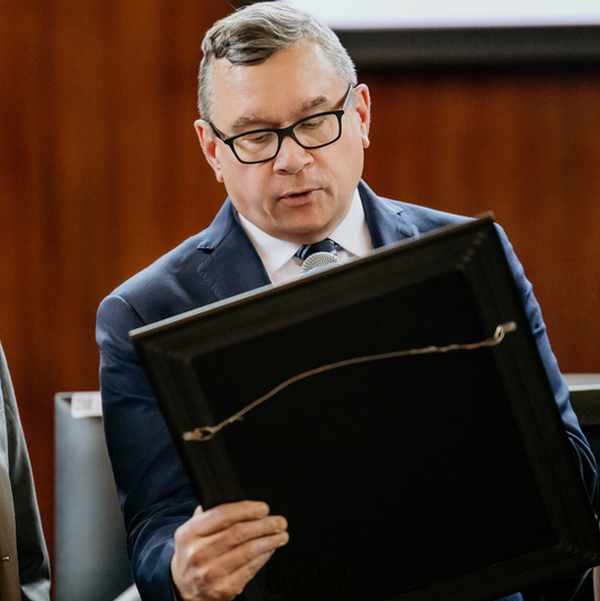
ABC’s Mike Klassen shared a similar sentiment, adding he looks forward to working constructively with his colleagues, regardless of political affiliation.

“I recognize that my role this term will be different, but I’ll seek common ground wherever possible while ensuring Vancouverites have a strong, independent voice at City Hall.”

There is a great deal of work to be undertaken by the incoming Vancouver Council.

#VanPoli | False Creek South | The Heart of Our City Preserved


REJECTED | City of Vancouver Real Estate Department Plan for False Creek South

In early October, when the City of Vancouver’s Real Estate Department presented a sordid, mercenary plan for the redevelopment of False Creek South —  that parcel of land on the south side of False Creek stretching from the Cambie Street bridge to the Granville Street bridge — Mayor Kennedy Stewart the very next day came out in full-throated support of The Plan, writing in an overly solicitous column published in The Straight that averred …

“Great cities like ours can never stand still. We must always examine whether our city is meeting our needs, both for today and tomorrow.”

The Real Estate Department’s Plan called for a greedy financial return to the City, that sought to more than triple the existing density of homes in the False Creek South neighbourhood, from 2450 units to a reconfigured 6600 units.

The real cost of the Plan?

The absolute, utter destruction of the False Creek South neighbourhood, a decimation of the heart and demographic integrity of one of Vancouver’s most sustainable and livable districts — the ‘close-fisted’ Plan laying waste to existing housing co-operatives dotted throughout the neighbourhood, moving residents from their current locations to a ghettoized, ‘poor door’ stretch of land situated along the bustling, carbon emitting 6th Avenue traffic corridor.

Community outrage soon ensued.

As founding chair of the UBC urban design programme, Patrick Condon, wrote in an article in The Tyee , the City’s Real Estate Department’s Plan would …

  • Increase market condos nearly fourfold, from 688 to 2,350 units;
  • Increase by more than 13x market rental units, from 150 to 2020 units;
  • See all new buildings constructed at least six storeys tall, ranging up to 50 storeys tall at the Granville Street bridgehead. Today, most buildings on the district’s city-owned land are three to four storeys in height;
  • Shift the tenure mix on city-owned land from the current 36% market strata, 8% market rental & 56% non-market co-op / affordable rental units, to 35% market strata, 30% market rental, and 34% non-market co-op and affordable rental;
  • Eventually demolish most of the existing co-ops, with these sites reused for market rentals and market condos, or to expand Charleson Park.

As Robert Renger, a retired senior planner who worked with the City of Burnaby, wrote in a response article in The Straight to the column written by Mayor Stewart — as well as to supporters of the City of Vancouver’s Real Estate Department’s Plan for False Creek South, which accused False Creek South residents of both nimbyism and elitism …

  • 15% of FCS residents are children, with 11% freehold and 16% citywide;
  • 17.5% of False Creek South family households are single-parent, compared to 10.9% of False Creek South freehold and 15.9% citywide;
  • The income mix on FCS lands closely parallels that of the city as a whole.
  • The residents of False Creek South had long ago published a document they called RePlan , a thorough and critical vetting of the City’s proposed Plan for the False Creek South neighbourhood, writing that …

    “False Creek South offers a housing model that is affordable, resilient and community-focused, with a variety of affordable, mixed-income housing options that span a spectrum of housing tenures. We are calling on Vancouver City Council to protect the existing variety of affordable, mixed-income housing options in False Creek South, to eliminate the threat of housing insecurity on leased City land, to kick start community growth, and to create right-sized housing in the False Creek South neighbourhood.

    Let’s expand affordable, resilient, mixed-income, mixed-tenure housing communities. Vancouver needs to protect and create more housing that is community centred, diverse, equitable, inclusive and secure that spans all leasehold housing tenures, including permanent housing for people who have experienced or are at risk of homelessness.”

    On October 5th in a motion presented to her colleagues on Vancouver City Council, Councillor Colleen Hardwick did just that in calling for security of tenure for the beleaguered residents of False Creek South, whose ongoing residency in the neighbourhood would be jeopardized by the redevelopment Plan published by the City’s Real Estate Department. Before that motion could be discussed around the Council table, the members of Council sought to hear feedback from the residents of False Creek South, as well as citizens from right across the city.

    Councillor Colleen Hardwick + retired CoV planner / RePlan co-author , Nathan Edelson

    Long story short, after hearing from some 171 residents of the City of Vancouver — many of them children, now adults, who had grown up in the False Creek South neighbourhood — in, perhaps, the most moving series of addresses this or any other Council has ever heard, in an amendment motion presented by Councillor Christine Boyle, all 10 Vancouver City Councillors, with an about face by Mayor Kennedy Stewart, unanimously rejected the City Real Estate Department’s Plan for False Creek South, instead opting to turn the process of the redevelopment of False Creek South to the City’s Planning Department, which planning process will include respectful and extensive consultation not only with False Creek South residents, but engaged residents across the city at-large.