
Category Archives: News

#BCPoli | Election 2024 | Riding Breakdown Analysis | Vancouver Island

In the 2024 British Columbia provincial election there are 93 ridings, six more than in the 2020 B.C. election, thanks to the redistribution recommendation of the Independent Electoral Commission which was charged to make voting in British Columbia fairer and more representative of the population of the province.

In British Columbia, there are 25 ridings in the Interior (the Okanagan and the Kootenays), 16 ridings across Vancouver Island, and 52 ridings across Metro Vancouver, reaching out into the Fraser Valley, and extending to Chilliwack.

In total, there are approximately 30 ridings that will tell the tale on Election Night,  October 19th. The outcome in these ridings will determine whether incumbent Premier David Eby’s New Democratic Party will hold onto government, or will be replaced by John Rustad’s insurgent Conservative Party of British Columbia.

Today, VanRamblings will focus on the Vancouver Island ridings in contention.

For the past couple of provincial elections Vancouver Island has proved to be a New Democratic Party fortress, with the party winning every riding on the Island. Following the October 19th election, we could witness a return to the days when a handful of Socred  / B.C. Liberal candidates held sway in five or six Vancouver Island ridings.

VanRamblings will publish three additional riding analysis columns covering the Interior and the North, a good portion of Metro Vancouver (focusing on Vancouver / Burnaby / Richmond / Delta / New Westminster / Surrey), and a final riding by riding analysis column covering the Tri-Cities, the north side of the Fraser River, Langley, and into the Fraser Valley through to Chilliwack.

Today, VanRamblings is focused on the Vancouver Island ridings that could allow David Eby to hold government, or thrust John Rustad into the Premier’s chair.

Vancouver Island | Five Ridings in Contention in Election 2024

(Click on the underlined text for more information on the candidates running in the riding)

  • Victoria-Beacon Hill . Held by former B.C. NDP leader / Finance Minister Carole James from 2005 to 2020, upon resigning for health reasons, popular Victoria City Councillor Grace Lore ran in her stead in the 2020 B.C. election and won. During her first term, Ms. Lore’s four-year-old son was diagnosed with a brain tumour, which saw his mother cut back on some of her political activities in the riding, also gaining her family much sympathy and support. Upon her son’s return to health, Grace Lore was appointed as the Minister of Children and Family Development, a job she has excelled at, gaining much recognition for competence in the post, as well as for her caring and compassion. Ms. Lore’s challengers in 2024: Green Party of B.C. leader Sonia Furstenau, who moved from her Cowichan riding after redistribution, and B.C. Conservative candidate, Tim Thielmann. According to the most recent internal party polling, this will be a tight three-person race, with the very real possibility that there could be as little as half a percentage point in the vote separating the winner from the two politicos who fail to secure victory on the evening of October 19th.
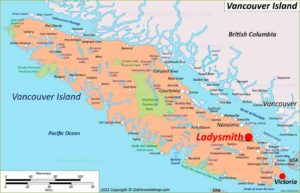
  • Ladysmith-Oceanside . Adam Walker was elected as the NDP candidate in the riding in the 2020 B.C. election. For reasons that have never been revealed, Mr. Walker was removed from the NDP caucus on September 18, 2023, and since that date has sat as an Independent. Mr. Walker is running for office in 2024 as an Independent, with the endorsement of the Green Party, and the on the ground support of the party’s supporters. Stephanie Higginson, a past president of the B.C. School Trustees’ Association, is the B.C. NDP candidate. The B.C. Conservative candidate, Brett Fee, is a relative unknown. There’s also a second Independent candidate, Lehann Wallace, who is seeking the seat. The outcome in the riding is unpredictable. Ordinarily, the riding would be solidly NDP, but the candidacy of Adam Walker throws a spanner into NDP expectations for a win. This one’s gonna be a nailbiter come election night.
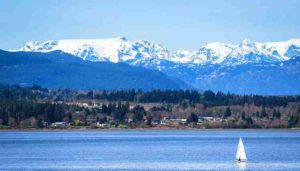
  • Courtenay-Comox . Both Courtenay-Comox and North Island are in the federal riding of North Island-Powell River, where Aaron Gunn — whose claim to fame was being removed from the B.C. Liberal party leadership race in 2021 for being too far right — is the federal Conservative Party candidate. In 2017, Ronna-Rae Leonard — who is running for re-election in 2024 — won Courtenay-Comox by a hair’s breadth. For the previous two decades, the riding had been a B.C. Liberal stronghold. With support for the Green Party in the basement, political pundits suggest that Courtenay-Comox will be a tight two way race, with B.C. Conservative candidate Brennan Day set to win the riding come October 19th. Not for no reason was John Rustad front and centre in the riding on the opening day, and again on Sunday for a big rally, of Election 2024.

  • North Island. As far as North Island is concerned, the riding oughta be another pick up for the B.C. Conservatives, their candidate physician Anna Kindy, who was an organizer with the Trucker Convoy, who brought hundreds of her future (anti-vaxx) constituents to the B.C. Legislature to protest Health Minister Adrian Dix, and Provincial Health Officer Dr. Bonnie Henry’s edicts on how to fight COVID. In a change election, the pundits’ smart money is on Dr. Kindy to put the riding in the win column for the B.C. Conservatives — who will fire Dr. Henry as a first order of business should they form government.
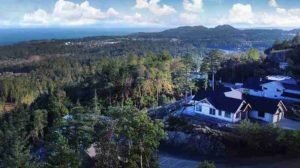
  • Saanich North and the Islands. B.C. Liberal from 1991 to 2013. A bare NDP victory in 2013, with B.C. Green Party candidate, Adam Olsen — who is not running again in 2024 — securing victory in 2017 and 2020. With former Islands Trustee Rob Botterell running with the Greens, lawyer David Busch with the B.C. Conservatives and Sarah Riddell, elected to Central Saanich City Council in 2022, the B.C. NDP candidate — a riding that has voted Conservative federally for decades — it’s anyone’s guess as to the outcome of this tight three way race come election night.
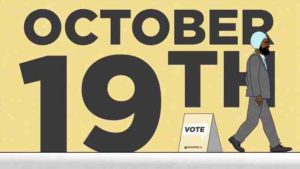
The 11 remaining Vancouver Island ridings oughta vote solidly NDP come election day. C’mon back tomorrow for more riding analysis, as we move to the Interior and the North, after which we’ll analyze Metro Vancouver and the Fraser Valley.


The Hotel Pacifico podcast will broadcast daily, Monday thru Friday, throughout the 2024 election

The good folks at Air Quotes Media’s Hotel Pacifico podcast — featuring Mike McDonald, Christy Clark’s campaign manager in 2013; Geoff Meggs, Premier John Horgan’s Chief of Staff; and Kate Hammer, a former Globe and Mail British Columbia legislative reporter — will “broadcast” on the B.C. Election each day, Monday through Friday.

VanRamblings will post the podcast, for your edification and enjoyment.

#BCPoli | Writ Drops on Saturday, September 21st | A 28-Day British Columbia Election Campaign Follows

As the 2024 British Columbia provincial election draws near, the political landscape in the province is charged with intense debate and a host of key issues that will shape the campaign.

Set to officially begin when the Writ drops on September 21st, the 28-day campaign will see Premier David Eby’s B.C. New Democratic Party defend their hold on government against an ascending opposition. The chief challenger in 2024:  the resurgent B.C. Conservatives, led by John Rustad, who, despite their limited war chest, aim to capitalize on voter dissatisfaction with the current government.

Key Issues in the 2024 British Columbia Election Campaign

  • Affordability and Housing: Housing remains the dominant issue in British Columbia politics, especially in urban centres like Vancouver and Victoria. The B.C. NDP under Premier David Eby has placed significant focus on addressing the housing crisis, with legislation proclaimed to increase the supply of affordable homes, streamline permitting processes, and combat speculation in the real estate market. David Eby has framed his party’s housing policy as one that balances affordability with responsible development, but the B.C. Conservatives have criticized the NDP’s efforts, accusing them of exacerbating the crisis by driving up costs with unnecessary regulations.

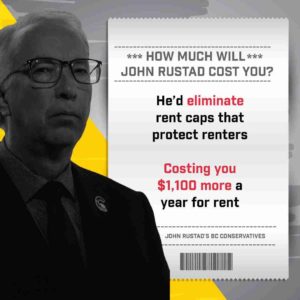
  • Rent Control and Tenant Rights: The B.C. NDP has enacted strict rent controls, limiting annual rent increases to match inflation rates. John Rustad’s B.C. Conservatives have said if elected to government they would remove the cap on rent increases, arguing that rent controls hurt landlords and reduce the incentive to build new rental housing. This proposal is likely to be a key wedge issue, dividing renters, who are primarily concentrated in urban areas, from property owners and real estate investors.

  • SOGI 123 and LGBTQ+ Rights: Socially conservative elements within the B.C. Conservative Party, including leader John Rustad, have rallied against the SOGI 123 curriculum, which promotes inclusivity and understanding of sexual orientation and gender identity in BC schools. While the B.C. NDP and — earlier this year —  B.C. United supported SOGI 123 as a tool for fostering inclusivity, the B.C. Conservatives’ opposition appeals to a more socially conservative base, particularly in rural areas. Note should be made, B.C. Conservative leader Rustad has said that he would remove the programme from B.C.’s public school system, while also removing and banning books from the schools he believes “indoctrinate children”. The issue of the rights of LGBTQ children enrolled in B.C. schools — the programme brought in by the B.C. Liberal Christy Clark administration in 2015, as drafted by current ABC Vancouver City Councillor Lisa Dominato when she was in the employ of British Columbia’s Ministry of Education — has the potential to become a highly polarizing wedge issue, mobilizing both progressives and conservatives in different parts of the province.

  • Climate Change and Environmental Policy: British Columbia’s natural beauty and environmental stewardship are central to its identity, but climate policy has become a contentious issue. The B.C. NDP has taken a middle-of-the-road approach, supporting ambitious climate targets while also backing natural resource industries like LNG. The B.C. Conservatives, however, have been skeptical of aggressive climate policies, focusing instead on economic growth and job creation in resource sectors. This issue may pit environmentally conscious urban voters against rural communities reliant on resource extraction.

  • Public Transportation: Funding for public transportation, particularly in Metro Vancouver, will be a critical issue. The B.C. NDP supports expanding transit infrastructure, including SkyTrain expansions and increased bus service, to reduce congestion and emissions. However, the B.C. Conservatives have suggested prioritizing road infrastructure and reducing reliance on taxpayer-funded transit. This issue will likely divide urban voters who depend on public transportation from suburban and rural voters who prioritize road improvements.

  • Healthcare and Mental Health: The province’s healthcare system, already strained by the COVID-19 pandemic, continues to be a significant issue. With long wait times for surgeries and difficulty accessing family doctors, healthcare is top of mind for many voters. The B.C. NDP has pledged more funding for healthcare and mental health services, while the B.C. Conservatives have focused on increasing private sector involvement to reduce wait times and improve access.

  • Taxes and Fiscal Responsibility: The B.C. NDP has faced criticism for its spending policies, with the B.C. Conservatives and other opponents accusing them of driving up provincial debt and over-taxing residents. The Conservatives have proposed cutting taxes and reducing government spending, appealing to fiscally conservative voters, particularly in the interior and northern regions of the province.

  • Crime and Public Safety: Rising crime rates, particularly in urban centres like Vancouver, Victoria, Nanaimo and Kelowna have made public safety a hot-button issue. The B.C. NDP has promised more funding for police and social services, whle working with the federal government to bring in tougher legislation that would keep repeat offenders and those accused of violent crimes in custody — while the B.C. Conservatives have taken a hardline approach, advocating for tougher sentencing and more resources for law enforcement, which is likely to realized only if Pierre Poilievre’s federal Conservative Party are elected to government next year. This issue will certainly be central to debates in urban and suburban ridings, where concerns about crime are highest.

  • Economic Development and Jobs: With economic uncertainty persisting post-pandemic, job creation and economic growth will be key topics. The B.C. NDP has highlighted its investments in green technology and infrastructure — which has proved successful while raising wages across the province. John Rustad’s B.C. Conservatives have emphasized the importance of supporting traditional industries like forestry, mining, and oil and gas, which are crucial to many rural communities. A B.C. Conservative urban economic development plan has yet to be announced.

  • Education and School Funding: Public education will be a key issue, especially as concerns about classroom sizes, teacher shortages, and underfunding persist. The B.C. NDP has committed to increasing education spending, while the B.C. Conservatives have called for reforms to make the system more efficient, including increased support for alternative schooling options, which may resonate with their socially conservative base.

Key Ridings to Watch

Several ridings will be crucial in determining the outcome of the election. Urban ridings in Metro Vancouver, such as Vancouver-Yaletown and Surrey-Newton, will be battlegrounds between the B.C. NDP and the B.C. Conservatives, with housing and public safety as major issues. In the Fraser Valley and Interior, ridings like Chilliwack-Kent and Kamloops-North Thompson will see heated contests between the B.C. NDP and the B.C. Conservatives, where affordability, resource development, and opposition to SOGI 123 may come to the forefront.

Additionally, suburban ridings in regions like Langley, Coquitlam, and Port Moody will be key, with issues such as transportation and crime dominating local discourse. The outcome in these swing areas could determine whether the B.C. NDP can maintain their majority or if the opposition makes significant inroads.

Voter Demographics and Turnout

Polling indicates that British Columbians aged 55 and older tend to support the B.C. NDP. This age group also tends to vote in greater numbers than younger voters, making their support crucial to the NDP’s success. If the B.C. NDP can effectively mobilize this demographic while appealing to younger voters concerned with housing affordability and climate change, they may secure another term in government. However, the B.C. Conservatives’ appeal to disaffected, older, rural voters who feel left behind by the NDP’s progressive agenda could create a potent challenge in key regions.

Wedge Issues and Potential “Bozo Eruptions”

The B.C. Conservatives, under John Rustad, face a significant risk of “bozo eruptions” during the campaign. With a number of candidates espousing socially conservative and conspiracy-laden views, the party could find itself embroiled in controversy throughout the campaign period, providing the B.C. NDP with ample ammunition to exploit. Rustad’s removal of the rent increase cap and his party’s opposition to the SOGI 123 programme are likely to emerge as key wedge issues, polarizing voters and drawing sharp contrasts between the parties. These controversies may help the B.C. NDP rally progressive voters and paint the Conservatives as out of touch with mainstream British Columbians.

The 2024 B.C. provincial election will be shaped by a range of pressing issues, from housing affordability and climate change to education and public safety.

With the B.C. NDP well-funded and and maintaining a slim lead in the polls, and John Rustad’s B.C. Conservatives seeking to channel discontent among socially conservative and rural voters, the stage is set for a fiercely contested election.

Key ridings in the Lower Mainland, the Interior, and northern B.C. will be critical, as will turnout among older voters.

As the campaign progresses, wedge issues like rent control, SOGI 123, and climate policy will likely define the battleground, with both major parties vying to secure their share of the vote.

#BCPoli | Former BC United MLAs & Candidates to Run as Independents

In the aftermath of the dissolution of B.C. United, formerly known as the B.C. Liberal Party, several incumbent B.C. United members of British Columbia’s Legislative Assembly, and former candidates, have this past week decided to run as Independents in the upcoming 2024 British Columbia provincial election.

This rise of Independents running for election — or, re-election — follows B.C. United leader Kevin Falcon’s decision to endorse B.C. Conservative leader John Rustad and shutter the party, leaving centrist voters without a clear political home. The choices made by these MLAs and former candidates to run as Independents reveal a divergence of political philosophy from Kevin Falcon’s strategy, and reflect concerns about the lack of moderate representation in provincial politics.

The Independent Candidates: Incumbent Members of the Legislature

Several incumbent B.C. United MLAs have announced they will be running as Independents. Each brings their own rationale for breaking away from the party and running independently:

  • Karin Kirkpatrick (West Vancouver-Capilano): A staunch advocate for centrist policies, Kirkpatrick has expressed discomfort with B.C. United’s decision to merge its support with the B.C. Conservatives. Her primary concerns centre on the erosion of moderate voices, particularly regarding social policy issues like LGBTQ rights and environmental policies, which she sees as being disregarded by the decidedly more right-wing Conservative Party of British Columbia. MLA Karin Kirkpatrick aims to continue representing her constituents with hard work, and a centrist approach.

  • Coralee Oakes (Cariboo North): Ms. Oakes — a former B.C. Liberal Minister of Community, Sport and Cultural Development — with a deep history of public service in her rural riding, has also similarly distanced herself from the merger. She has criticized the B.C. Conservatives alt-right stance, as she emphasizes her commitment to pragmatic, community-based governance that is neither aligned with the socially democratic B.C. NDP nor the far-too-right-wing for her, B.C. Conservatives. Oakes’s focus remains on rural issues such as forestry and infrastructure.
  • Mike Bernier (Peace River South): Mr. Bernier — a former B.C. Liberal Minister of Education — has long advocated for resource development and economic growth, but believes that the endorsement of the B.C. Conservative Party by Kevin Falcon represents a step too far toward the political right. Running as an Independent allows Mr. Benier to maintain a balance between economic conservatism and moderate social policies that he believes reflect the values of his constituents.
  • Dan Davies (Peace River North): Mr. Davies has taken a similar stance, underscoring the importance of responsible fiscal policy without compromising on social issues like education and healthcare. His departure from B.C. United reflects his unease with the B.C. Conservatives extreme positions, particularly regarding climate change and Indigenous relations, which are key issues in his resource-rich riding.
  • Tom Shypitka (Kootenay-Rockies): Mr. Shypitka, known for his work in mining and natural resource sectors, has voiced concerns about how Kevin Falcon’s endorsement of the John Rustad-led B.C. Conservative Party could alienate voters who are interested in economic development, but who also value progressive stances on issues like environmental sustainability. By running as an Independent, Mr. Shypitka hopes to represent a balance that the B.C. Conservative Party does not embrace.

Former B.C. United Candidates Turning Independent in 2024

Several former B.C. United candidates are also taking the Independent route:

  • Jackie Lee (Richmond-Steveston) and Wendy Yuan (Richmond Centre).  A long-time advocate for immigrant communities and small businesses, Jackie Lee has voiced frustration over the lack of moderate representation, most particularly Conservative’s socially intolerant stances. Meanwhile, Wendy Yuan is a three decade resident in the Richmond Centre riding, who has expressed concern about escalating crime, open drug use, and a relentless surge in the cost of living.
  • Karen Long (Langley-Abbotsford), Ashley Ramsay (Kelowna-Mission), Dr. Michael Humer (Kelowna Centre) and Tracy St. Claire (Penticton-Summerland). All four former — well known in their communities — B.C. United candidates, now running as Independents, have expressed similar concerns regarding social policies and a desire to represent their ridings with a more balanced platform, reflecting frustration with the direction taken by John Rustad’s B.C. Conservative Party.

  • Kevin Acton (Vernon-Lumby) and Greg McCune (Salmon Arm-Shuwap): These candidates, who have championed rural issues like farming and resource management, have expressed concerns about the polarizing impact of the B.C. Conservative Party on voters who may not agree with their stance on climate change or social issues, but still want robust support for local economies.
  • Meiling Chia (Burnaby South-Metrotown): Ms. Chia has positioned herself as a voice for urban issues like housing affordability and transit. She believes that neither the B.C. Conservatives nor the B.C. NDP offers real solutions for these problems, particularly in fast-growing urban areas where centrist solutions are needed

The Impact of Independent Candidates on B.C.’s Provincial Election

The decision by these former B.C. United MLAs and candidates to run as Independents will have significant implications for both the B.C. Conservative Party and the B.C. New Democratic Party (NDP) in the upcoming election.

  • Impact on B.C. Conservative Party: With B.C. United’s former base splintering, the B.C. Conservatives under John Rustad are poised to gain support, especially in rural ridings where conservative values are popular. However, the presence of high-profile Independents like Bernier, Oakes, and Davies could split the vote in these regions, potentially reducing the chances of a B.C. Conservative victory. These Independents may appeal to voters who are fiscally conservative but uncomfortable with the B.C. Conservatives’ positions on social issues like LGBTQ rights and climate change.
  • Impact on B.C. NDP: The splintering of the centre-right vote could benefit the B.C. NDP, especially in urban ridings like Richmond-Steveston, Burnaby South-Metrotown, and Kelowna-Mission. Without a strong centrist party, the B.C. NDP may face less competition from a unified right, allowing them to consolidate support in key battlegrounds. However, if Independent candidates gain enough traction, they could draw away moderate voters who would otherwise have supported the NDP as a strategic choice.

Kevin Falcon’s decision to endorse John Rustad and close B.C. United has left a significant void in British Columbia’s political landscape. VanRamblings has been told by folks in the know that come the 2028 British Columbia provincial election voters will see the revival of a vibrant new, well-funded B.C. Liberal party, offering a fiscally responsible, and socially progressive approach to B.C. politics.

In 2024, by running as Independents, the former B.C. United MLAs and candidates we write about today are aiming to fill that gap, providing voters with a centrist option they believe no longer exists within B.C.’s formal party system.

Their presence in the election is likely to reshape the dynamics in key ridings, creating new challenges for both the B.C. Conservatives and the B.C. NDP.

Whether this strategy will succeed remains to be seen, but it underscores the shifting political terrain in British Columbia as voters navigate between the increasingly polarized political options on offer in the British Columbia provincial election.

#BCPoli | The Impact of The Age of Grievance and Complaint Culture in 2024

The age of grievance and the culture of complaint have become defining features of contemporary political discourse in Canada and beyond.

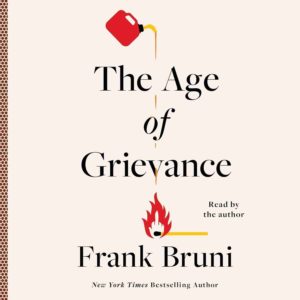
In Frank Bruni’s The Age of Grievance, the New York Times’ Opinion columnist and Duke University professor, outlines how political figures have weaponized grievances to galvanize support, shift public sentiment, and redirect anger into votes.

This culture of dissatisfaction, cynicism, and victimhood has seeped into the Canadian political landscape, informing the strategies of major conservative figures, including Pierre Poilievre, the leader of the Conservative Party of Canada, and John Rustad, leader of the Conservative Party of British Columbia.

Understanding how this age of grievance shapes political campaigns is crucial to grasping the shifting nature of voter behaviour, particularly as it pertains to the rise of far-right or populist sentiments.

Pierre Poilievre and the Politics of Grievance

Poilievre has skillfully harnessed the culture of grievance as a key political strategy.

At the heart of Poilievre’s appeal is his ability to frame issues as part of a broader narrative where everyday Canadians have been wronged by government elites, bureaucrats, or a distant political class. By positioning himself as the voice of “common sense,” he taps into frustrations felt by many Canadians — whether it’s over affordability, housing, inflation, or perceived loss of personal freedoms.

Bruni’s The Age of Grievance highlights how figures like Poilievre manipulate these sentiments to create a sense of urgency.

Poilievre frequently paints a picture of a country under siege by wokeism, government overreach, and inflationary policies. He taps into a sense of national victimhood, where Canadian values and identity are under attack, positioning himself as the solution to restore these lost values. This isn’t merely a campaign tactic, but a broader effort to reshape Canadian political consciousness.

Bruni notes that “in a grievance-fueled culture, anger becomes the rallying cry, and solutions are often secondary to the preservation of outrage.”

This applies perfectly to Poilievre’s style.

His criticism of Prime Minister Justin Trudeau’s handling of the economy, energy policy, and pandemic restrictions follows a pattern of inflaming grievances rather than offering concrete, nuanced solutions. In doing so, Poilievre consolidates support not by offering optimism, but by fanning the flames of dissatisfaction.

British Columbia and the Politics of Complaint

In British Columbia, the age of grievance has similarly found fertile ground.

The current provincial election has become a battleground for competing narratives of grievance, with John Rustad of the BC Conservative Party emerging as a central figure exploiting this atmosphere for political gain.

British Columbia, a province often associated with progressive politics, has seen increasing polarization. The polarization between the BC New Democratic Party (NDP), which has governed for years, and rising conservative forces, such as Rustad’s BC Conservatives, reflects the influence of a growing culture of dissatisfaction. Voter frustration over affordability, housing crises, healthcare shortages, and environmental policies has coalesced into a broader sense of disillusionment with the political establishment.

Rustad’s campaign has capitalized on this sense of grievance, positioning his party as the “real alternative” to the governing NDP.

Rustad frames the government as “out-of-touch elites” who care more about woke policies, such as climate action, than about the daily struggles of British Columbians. In echoing Poilievre’s national campaign strategy, Rustad paints a picture of a province where citizens have been ignored and betrayed by the government. By presenting himself as the antidote to this betrayal, he has tapped into a well of voter dissatisfaction.

As Bruni notes, “leaders who exploit grievances do not seek resolution, but rather fuel the perception of perpetual crisis, ensuring that discontent becomes a permanent political currency.” Rustad’s campaign exemplifies this. He doesn’t offer a transformative vision for British Columbia but rather sustains a sense of crisis — over taxes, land use, or environmental regulations — that keeps grievances alive.

The Grievance Mindset and Populist Shift

The age of grievance has had a marked impact on voter behaviour, not only in British Columbia but across North America.

Many voters who feel alienated or left behind by the status quo are drawn to conservative or even far-right parties that exploit their frustrations. This is evident in how Rustad’s party, much like Poilievre’s federal campaign, attracts voters by offering simple answers to complex problems, such as opposing carbon taxes or claiming that crime and drug use are rampant due to “soft-on-crime” policies.

Bruni warns that in such a grievance-driven environment, “voters can be seduced by voices that promise a return to simpler times, even when those promises are illusory.” This has been true for British Columbia voters who, dissatisfied with the NDP’s handling of the housing crisis or healthcare system, may turn toward a party that doesn’t represent their best interests but resonates with their frustrations.

The age of grievance thus contributes to a political atmosphere where voters are more likely to make choices based on anger or cynicism rather than long-term policy benefits. This phenomenon explains why populist and even far-right movements, which exploit dissatisfaction but offer few concrete solutions, have gained traction even among voters who might otherwise support progressive policies.

David Eby and the Progressive Response

For David Eby and the British Columbia New Democratic Party, the challenge is how to counter this grievance-fueled narrative.

The key may lie in offering a vision of hope and forward-thinking solutions, rather than merely responding to grievances with defensive rhetoric. As Bruni suggests, “the antidote to grievance is not more grievance, but a reassertion of optimism and constructive action.”

Eby’s task is to convince voters that their frustrations — though real — are best addressed through thoughtful governance, rather than reactionary policies.

By focusing on housing, healthcare, and climate action, David Eby can remind voters that while grievances may persist, real solutions require sustained effort and collaboration. Moreover, Eby must highlight the dangers of grievance politics, pointing out that figures like Rustad are more interested in sustaining voter anger than in solving the province’s problems.

The age of grievance has become a dominant force in both federal and provincial politics in Canada. Conservative leaders like Pierre Poilievre and John Rustad have capitalized on this culture to galvanize support, while progressive parties like the B.C. New Democrats must find ways to navigate this political landscape without succumbing to the cynicism that defines it.

By offering solutions that go beyond complaint, leaders like David Eby can potentially counter the divisive forces that have emerged in this era of grievance-driven politics, and form government post Election Day, on Saturday, October 19th.