#VanPoli Politics | The Pending Chaos of the 2022 Vancouver Civic Election

In somewhat under a year — Saturday, October 15, 2022 to be exact — the next Vancouver municipal election will take place, when a Mayor and 10 City Councillors will be elected to civic office at Vancouver City Hall in our fair city by the sea.

Although VanRamblings will not commence intensive coverage of Vancouver’s next civic election until sometime in the spring of 2022, there is enough going on politics-wise in our city to comment on the state of municipal political affairs — which is what VanRamblings will set out to do over the next couple of weeks.

Why all the hubbub about Vancouver politics in the autumn of 2021?

When our NDP provincial government brought in legislation governing the conduct of municipal elections — limiting / eliminating third party advertising in the three months prior to the election date, while also limiting the expenditure of monies each civic party, and candidate, could spend towards the goal of achieving civic office — the doors were left wide open to spend any amount of money in the civic arena prior to the exertion of British Columbia’s civic election “restriction date”.

Thus you have A Better City mayoral candidate Ken Sim — who in the 2018 Vancouver civic election ran as Mayoral candidate for the Non-Partisan Association, coming within 1,000 votes of becoming our city’s Mayor — holding a campaign kickoff and fundraiser this past Wednesday at Chinatown’s Floata Seafood Restaurant, where all of Vancouver’s esteemed civic reporters were on hand to nosh on food, and otherwise kibbitz with one another and attendees at this swish municipal affairs soirée. That Peter Armstrong (Mr. Sim’s main financial backer, who introduced Sim to civic politics), he sure does know how to put on a feed.

Current Vancouver Mayor Kennedy Stewart has announced that he’ll seek re-election in 2022. Longtime political fixer and campaign strategist extraordinaire, Mark Marissen, has announced his bid for Mayor, as has current Park Board Commissioner John Coupar. Vancouver City Councillor Colleen Hardwick has also served notice that she will seek the Mayoral nomination with  a reinvigorated TEAM (The Electors Action Movement) civic party — that’s five mayoral candidates.

VanRamblings believes that the 2022 Vancouver municipal election will prove to be the ugliest and most divisive civic election ever waged in our west coast burgh, that there’ll be no end of bad behaviour from the myriad candidates putting their names forward in the hope of gaining office and tenure on Vancouver City Council, that OneCity Vancouver — and more particularly, OneCity Vancouver’s resident ‘mean girl’ Council mainstay, Christine Boyle — will run a vicious campaign of unrivaled and unmitigated class warfare against the parties and candidates OneCity has already successfully defined as “right wing”, with the media buying into this condemnable nonsense hook, line and sinker. Alas — it was always thus. ?

COVID-19 | The Path | Outbreak, Epidemic, Pandemic, and Endemic

Not all infectious disease terms are created equal, though often they’re mistakenly used interchangeably.

The distinction between the words “pandemic,” “epidemic,” and “endemic” is often blurred, even by doctors. This is because the definition of each term is fluid and changes as diseases become more or less prevalent over time.

The word “endemic” is regularly mentioned, especially among public health leaders and experts as they discuss potential future scenarios. So, it’s important to define exactly what it would mean for COVID to be endemic.

Scientists predict COVID will become endemic over time but there will still be sporadic outbreaks where it gets out of control. The transition from pandemic to endemic will play out differently in different locations around the world.

While conversational use of these words might not require precise definitions, knowing the difference is important to help all of us better understand public health news and appropriate public health responses.

First let’s recap the public health terms Canadians have been increasingly using in conversation over the last 19 months. These words cover the lifecycle of disease and include “outbreak”, “epidemic”, “pandemic” and “endemic”.

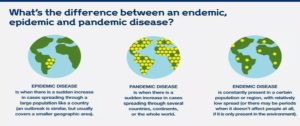
An outbreak is a rise in disease cases over what is normally expected in a small and specific location generally over a short period of time, as occurred in Wuhan, China in late 2019 and early 2020. Food borne diseases caused by Salmonella contamination provides another example of the outbreak phenomena.

Epidemics are outbreaks without tight geographical restrictions. The Ebola virus that spread in 3 West African countries from 2014–2016 was an epidemic.

A pandemic is an epidemic that spreads across many countries & continents around the world, as has been the case with COVID-19 over the course of the past 19 months. Past pandemic examples include those caused by influenza A(H1N1) or the “Spanish Flu” in 1918, HIV/AIDS, SARS-CoV-1 and the Zika virus.

What’s the usual path from pandemic to endemic?

A simple way to understand the difference between an epidemic and a pandemic is to remember the “P” in pandemic, which means a pandemic has a passport. A pandemic is an epidemic that travels.

But what’s the difference between epidemic and endemic?

An epidemic is actively spreading; new cases of the disease far exceed what is expected. More broadly, it’s used to describe any problem that’s out of control, such as “the opioid epidemic.”

An epidemic is localized to a region, but the number of those infected is significantly higher than normal. For example, when COVID-19 was limited to Wuhan, China, it was an epidemic. The geographical spread turned it into a pandemic.

Endemics, on the other hand, are a constant presence in a specific location. Malaria is endemic to parts of Africa. Ice is endemic to Antarctica.

Over time and arising from public health orders from mask wearing to vaccination, the pandemic could disappear like small pox and polio did — or it might gradually become endemic. The latter, most scientists agree, is the more likely scenario. Host, environment and virus factors combine to explain why some viruses are endemic while others are epidemic.

When we look at the SARS-CoV-2 virus that causes COVID, we see it is infecting human hosts with no prior immunity.

In terms of environment, the virus transmits better in cold, dry, crowded, close-contact, confined settings with poor ventilation. Each virus has its own characteristics, from speed of virus replication to drug resistance. The new COVID strains are transmitted faster and cause different symptoms.

Viruses are more likely to become endemic if they become adapted to a local environment and/or have a continuous supply of susceptible hosts. For COVID these would be hosts with low or zero immunity.

How long will it take for COVID-19 to become an endemic?

Most public health officials currently agree COVID is here to stay rather than likely to disappear like small pox. Scientific mathematical modelling provides some idea of likely COVID epidemic outcomes.

Globally, the road from pandemic to endemic will be a rocky one.

https://twitter.com/EDenhoff/status/1448531678561931269?s=20

In Canada, the federal government and provincial Premiers some time ago announced plans to re-open businesses, and soon that will be the case with borders, as well. The process of having done this has worked out better in some provinces than others. In the prairie provinces of Alberta and Saskatchewan, the fourth wave of COVID has taken a particularly strong foothold — resulting in a virulent and devastating epidemic renewal of COVID.

People are dying, and our health care system has been challenged.

Vaccination rates will protect many — as will the vaccine passports that have been issued in all provinces across the country — but there are still those who won’t get vaccinated, which puts all of us at much greater risk.

With time, though, scientists predict COVID will become more like the common cold coronaviruses. Despite periodic spikes in caseloads each season or immediately after relaxation of economic, social, and travel restrictions, COVID will eventually become more manageable, and by next spring we could very well be out of the worst of COVID-19, and the worst impacts of the Delta variant.

Countries will not enter an endemic phase at the same time because of variable host, environmental, virus factors including vaccination rates. Because of Canada’s high vaccination rate, our country is much more likely to proceed to the endemic stage than our neighbours to the south.

The availability and roll-out of booster vaccine shots each year or season will also shape the path towards the transition to an endemic. Poor vaccine coverage could allow the virus to continue at an epidemic level for longer — as would appear to be the case in the northern health, Fraser Valley East and Interior / Okanagan and Kootenay regions of our province.

Once we see a stable level of SARS-CoV-2 transmission indicating a new “baseline” of COVID, we will know the pandemic has ended and the virus is endemic. This will include seasonal trends as we see now with flu, and next autumn a dual flu and COVID shot, currently being developed by Pfizer and NovaVax.

The most important thing all of us can do to help reach a safe level of endemic COVID is to ensure that our families and each of us gets vaccinated and that we continue to adhere to COVID-safe practices, like social distancing, mask wearing and staying home when we’re not feeling well.

By doing so we protect ourselves, our families, all those around us, as together we move collectively towards an endemic phase of the COVID-19 virus that has had us in its grip since March 2020.

If we fail to work together in common cause, things could turn for the worse very quickly and prolong the end of the pandemic — which none of us want.

Over 50? You Need to Get A Shingles Shingrix Shot.

Are You Over 50? Then, You Need to Get a Shingles Shingrix Shot SOON !!!(Republished as a public service, a VanRamblings repost of an April 22, 2018 column)

Today is Earth Day. How can you play your part?

Well, if you’re a senior, or over the age of 50, maybe by not dying prematurely from the stress and pain associated with the varicella zoster virus (shingles) or postherpetic neuralgia, so you can be around to witness, participate in and contribute to making ours a greener and more environmentally sound planet.

Are you over the age of 50, or do you have a parent, friend, spouse, relative, neighbour or colleague who is over the age of 50? If so, you or someone close to you will want to make arrangements this coming week to have the new Shingrix vaccine administered at your, or their (if it’s someone you’re advising) doctor’s office, or local pharmacy.

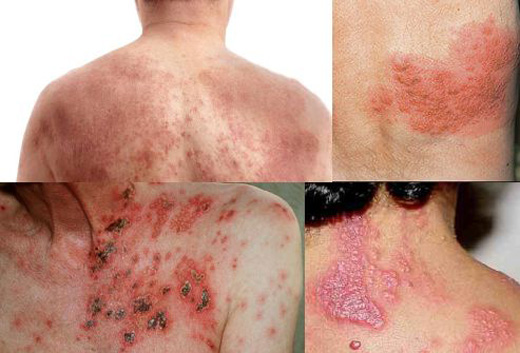
Those aged 50+ are susceptible to contracting shingles, probably the single most painful and sustaining malady a middle-aged or older person might experience.

Many millions of North Americans, especially those aged 50+, are susceptible to an attack of shingles, caused by the same virus that causes chickenpox.

Once the varicella zoster virus infects a person, it lies dormant for decades in nerve roots, ready to pounce when the immune system is weakened, say, by stress, medication, trauma or disease. One-third of North Americans eventually contract shingles, but the risk rises with age; by age 85 half of adults will have had at least one outbreak of shingles.

Just have a look at the following testimonials (as always, click on the preceding link) …

Comment from Francie, age 66

I had the worst pain from shingles, it was just off the charts! I was unable to sleep, eat, walk, or talk for three months.

Comment from David, age 70

On March 26, 2015, I had my first annual anniversary with the horrible and constant pain of post herpetic neuralgia (shingles). The first 9 months was a nightmare; especially at night. It’s in my armpit, and all along my shoulders; so it’s too painful to have clothing or even a sheet touching my skin. Nothing helped even as new medications appeared. My doctor tried everything and couldn’t understand why my shingles just got worse. He told me he’s had patients who suffered with shingles for 7 years. So by the time this goes, I’ll be dead; or want to be.

Once you’ve contracted shingles, there’s nothing you can do about it, except live as best you can with the pain and the prejudiced lifestyle.

Shingles: blisters, fatigue, infection, pain, itching, red rash, virus, burning

However, there is something you can do to prevent contracting shingles.

Merck’s Zostavax was first brought to the market in 2008, with an efficacy rate that reduced the risk of shingles by 51%, and a 67% preventive rate of contracting shingles a second time. Good, but not good enough.

This year, however, a new medication from Glaxo-Kline, called Shingrix, came onto the market, that studies indicate reduces the risk of contracting shingles by 97% for people in their 40s, 50s and 60s, and 91% for those in their 70s and 80s, also reducing the risk of contracting shingles again by 86%, lasting much longer than its Zostavax predecessor, which starts to lose its protection after only 3 years.

Needless to say, we had the Zostavax vaccine administered some years ago, and have now had the first of two Shingrix shots administered.

Sharon Livingstone, a gerontologist, is 'adamant' that people get the Shingrix vaccine.
Sharon Livingstone, a gerontologist, is ‘adamant’ people get the Shingrix vaccine. She herself got the Zostavax shot 10 years ago but, as can happen, she contracted shingles four years ago. She now encourages the seniors she sees to be vaccinated with the new and more effective Shingrix vaccine.

The headline in the January 1, 2018 Globe and Mail article, by health reporter André Picard, called Shingrix a game changer” …

More than 130,000 Canadians are diagnosed with shingles each year — most of them seniors.

Anyone who has had chickenpox — which is about 90% of people born before 1995 — can develop shingles later in life, and about one-third do. The varicella zoster virus lies dormant for years, or decades, and erupts for reasons that are unclear, usually after age 50.

The pustules on the skin are bad enough, but one in eight of those afflicted with shingles suffer post-herpetic neuralgia, the medical term for lingering and sometimes debilitating nerve pain. The virus can also destroy nerves, causing blindness or deafness and, in rare cases, lead to grave infections such as meningitis and flesh-eating disease. Shingles also increases the risk of heart attack and stroke.

Yet, the misery that befalls so many is largely preventable.

Now there is a new vaccine, Shingrix, that dramatically improves protection — showing itself to be up to 97 per cent effective in large clinical studies.

“This is a game-changer,” says Dr. Iris Gorfinkel, a Toronto physician.

The blisters arising from a shingles incident tend to heal in a week or two to form crusty scabs that eventually fall off. But for about 15% of people, shingles does not end there. Instead, it leaves them with deep, searing nerve pain — a condition called postherpetic neuralgia, or PHN — that can last for months or years and has no treatment or cure. More than half the cases of PHN affect people over 60.

Make arrangements this week with your family doctor to get the new Shingrix vaccine

VanRamblings first became aware of shingles when a neighbour contracted the infection 5 years ago. For a period of one year, he couldn’t move out of his co-op apartment, couldn’t sleep (except when he passed out from exhaustion), wearing any kind of clothing was near impossible, and having anything touch his skin brought him excruciating pain. Every male in VanRamblings’ housing co-op, and all of VanRamblings’ close friends, made arrangements to have the $180, one time, Zostavax vaccine administered.

Now that Shingrix is on the market — requiring two shots, two to six months apart, at $150 apiece — all of VanRamblings’ close associates have either had the Shingrix shot, or are making arrangements to do so. Note should be made that — thanks to our new New Democrat government over in Victoria — British Columbia is the only province in Canada that allows pharmacists to administer the Shingrix vaccine (which is where we got the first of our two shots on Wednesday this past week).

You will need a prescription from a doctor, though. And, yes, as the video below suggests, there is some (ouch!) pain involved — even five days later — and a lingering malaise. But, hey, VanRamblings is still posting everyday, so it can’t really be that bad, can it (it’s not, we’re just a big baby)?

And, oh yeah, make arrangements this week to get your first Shingrix shot.

VIFF 2021 | Vancouver’s Beloved International Film Festival Wraps for 2021

The 40th annual Vancouver International Film Festival wraps at 11:59pm this Thanksgiving Monday evening — and that will be it for another Festival year, although what is now termed the VanCentre Complex (3 theatres now available in the complex that used to house just the glorious Vancity Theatre — which remains, just in case you thought that wasn’t the case) — with VIFF Connect a year-around fixture for this next year, and probably long after that into the many years to come.

On Sunday, VIFF presented two screenings of Céline Sciamma’s exquisite Petite Maman, Sciamma’s beautiful fairytale reverie, at the welcoming Vancouver Playhouse — occasioned by the dual mysteries of memory and the future — the film emerging as a resonant, profoundly moving and elegantly made small scale, but wildly effective opus for the 39-year-old French filmmaker, the dappled forested backdrop a thing of pensive beauty, the coming-of-age story at the centre of the film an example of the way cinema can make memories real, without losing their bitter honesty, and dreams, without compromising on their glowing promise.

Without a doubt, Céline Sciamma is the finest director working today, anywhere across the globe, her body of work — Tomboy (2011), Girlhood (2014), Portrait of a Lady on Fire (2019), and now Petite Maman — unrivaled in the pantheon of modern cinema, each film profoundly moving and filled with heart, must-sees for any cinephile worth their salt, simply the finest examples of what cinema, in the right hands, can achieve in moving all of us forward towards a better, fairer world.

Here’s what Barry Hertz, arts & entertainment editor at The Globe and Mail had to say about Petite Maman, when it screened at the Toronto International Film Festival last month …

Well, this is an unexpected and wonderful surprise. Two years ago, French director Céline Sciamma knocked TIFF audiences out with her powerful and grand romance Portrait of a Lady on Fire. Switching gears, the filmmaker goes small, in all the right ways, for her pandemic-shot follow-up, Petite Maman.

A lovely, delicate look at the bridge between parents and their children, the film follows one lonely little girl who, while visiting her grandmother’s old country home, encounters a version of her mother as a young girl at the same exact age, through some unexplained feat of magical realism.

Featuring wonderful performances from twin sisters Joséphine and Gabrielle Sanz, and also the cutest little murder-mystery game you’ve ever seen, Petite Maman hits all the right notes, creating an epic in miniature. One warning: It may leave you a blubbering mess.

There is one final VIFF screening of Petite Maman— as always, click on the preceding link to be taken to the VIFF web page to book your ticket — scheduled for this evening at 8:30pm on this Thanksgiving Monday, at the Kay Meek Arts Centre, located at 1700 Mathers Avenue in West Vancouver, easily accessible by both car or bus (there’s a bus stop just outside of the arts complex). Highly recommended.