BC Poli | BC NDP To Win Coveted Majority October 24th | Part 2

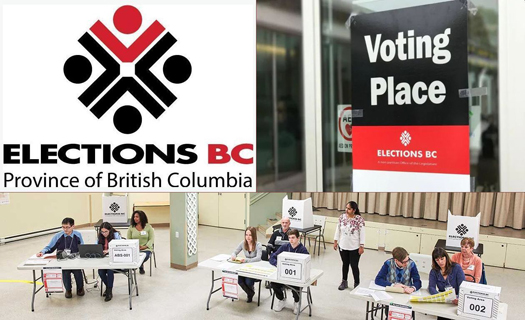
Elections BC prepares for a snap October 2020 provincial electionIn 2020, Elections BC staff will wear masks, when inviting voters into polling stations

British Columbia autumn election speculation continues to rise, with some insider BC NDP folks telling VanRamblings that Premier John Horgan will call a snap election as early as this upcoming Saturday, with voters set to go to the polls on Saturday, October 24th. If that is the case, and should the election call take place, there’ll be a number of distinct differences in 2020 …

  • Advance polling stations will open seven days a week, from 8am to 8pm, beginning as early as Monday, September 28th;

  • A process will be put in place to provide absentee voters an earlier opportunity than ever before to vote early;
  • An enhanced, secure protocol for the provision of mail-in ballots for voters has been established by Elections BC.

As of this writing, VanRamblings has not been apprised of information related to the prospect of voters being allowed the opportunity to vote securely online, but such a venture remains a distinct possibility should British Columbians ‘go to the polls’ next month.
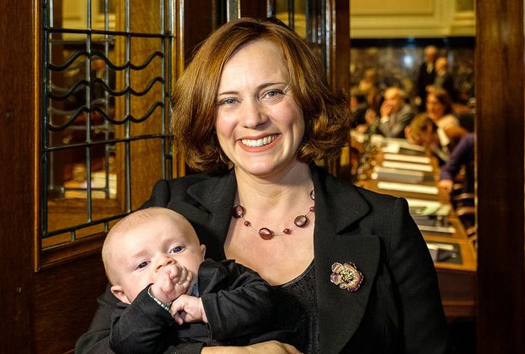
Michelle Mungall, Member of the BC Legislature representing the riding of Nelson-Creston

Meanwhile, there’s pre-election news galore to report. For instance, yesterday morning 42-year-old Michelle Mungall, currently our province’s Minister of Jobs, Economic Development and Competitiveness, and since 2009 the sitting MLA for Nelson-Creston, announced that she would not seek re-election, and would be leaving the Legislature.
Earlier, B.C. NDP Ministers of the Crown Shane Simpson (Vancouver-Hastings, Minister of Social Development and Poverty Reduction), Doug Donaldson (Stikine, Minister of Forests, Lands, Natural Resource Operations and Rural Development), Scott Fraser (Mid Island-Pacific Rim, Minister of Indigenous Relations and Reconciliation), and Carole James (Victoria-Beacon Hill, Minister of Finance and Deputy Premier) announced they would not seek re-election to the British Columbia Legislative Assembly.
And just today, Judy Darcy (New Westminster, Minister of Mental Health and Addictions), first elected in 2013, became the fifth Minister of the Crown to announce that she will not be seeking another term in office.
All is not lost for our British Columbia New Democratic Party government.
A couple of weeks back, two retired federal NDP MPs, the incredibly charismatic and competent Nathan Cullen (who is more amiable, and even a better story teller, than the gregariously engaging Dave Barrett was, and that’s no mean feat), who represented the riding of Skeena - Bulkley Valley from 2004 through last year — who will seek the Stikine nomination, to replace outgoing Minister Doug Donaldson - and Finn Donnelly, the B.C. NDP MP who represented the good folks who elected him to office in Port Moody - Coquitlam for ten years, from 2009 through last year, announced they would be seeking to represent constituents in their old federal ridings, in the next session of the B.C. Legislature. And, just yesterday, Murray Rankin, MP for Victoria from 2012 through 2019 — and current Chair of the National Security and Intelligence Review Agency — announced he would seek the B.C. NDP nomination in outgoing former B.C. Green party leader, Andrew Weaver’s riding of Oak Bay-Gordon Head (with, apparently, Mr. Weaver’s endorsement and full support). A veritable cornucopia of riches.
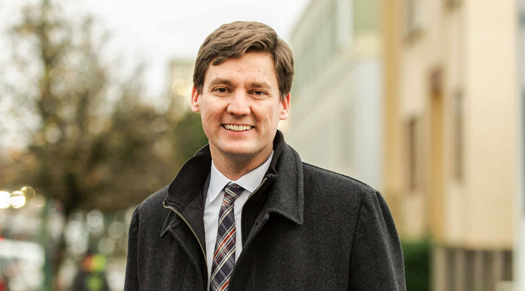
Vancouver-Point Grey MLA David Eby seeking another term in office in the 2020 election

In addition, yesterday afternoon, British Columbia Attorney-General and Minister of Justice, and sitting Member of the Legislature for Vancouver-Point Grey wrote to VanRamblings asking us to formally nominate him to a further term in office — which of course we did, also donating $50 to his soon-to-be upcoming campaign, with more monies definitely set to come.
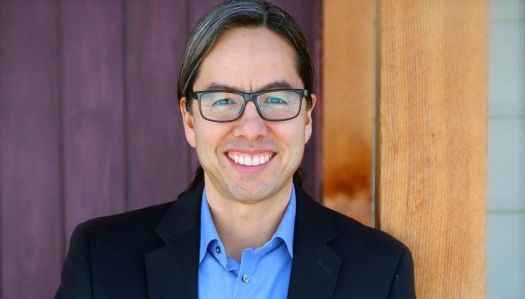
Aaron Sumexheltza, the B.C. NDP candidate in the riding of Nicola-Fraser, in 2020First Nations lawyer Aaron Sumexheltza, appointed BC NDP candidate for Fraser-Nicola.

All is not necessarily roses & sunshine for B.C. New Democratic land, tho.
When party headquarters appointed Aaron Sumexheltza as the B.C. NDP standard-bearer in Fraser-Nicola, in the upcoming election — a key battleground riding on the eve of a potential election — the entire 13-person riding association resigned en masse, accusing B.C. NDP president Craig Keating and executive director Raj Sihota of “disrespectful behaviour” by thwarting the wishes of local members, each member who quit pledging to work against the election of Aaron Sumexheltza to office.
Gosh, you just gotta love politics. Not.

B.C. NDP Executive Director Raj Sihota, and former Park Board Chair Niki Sharma seeking Vancouver-Hastings nomination

What was that? Raj Sihota, you say? Twenty-five year activist resident of Vancouver-Hastings, and current B.C. NDP executive director, that Raj Sihota, the nomination candidate in Shane Simpson’s riding who is challenging the party’s chosen candidate, the very bright and young and gifted climate change activist Niki Sharma for the nomination in Vancouver-Hastings? The Raj Sihota who so alienated the B.C. NDP riding executive in Fraser-Nicola that they all just up and quit? You mean that Raj Sihota?
And what else has that fella, Craig Keating, been up to, you ask?
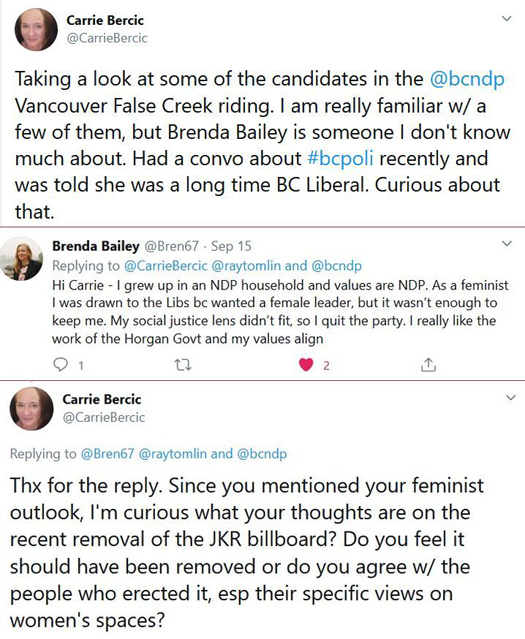
Former Vancouver School Board trustee Carrie Bercic in Twitter conversation with Brenda Bailey

Well, it seems that the party is none-too-thrilled with either Morgane Oger, and her former best friend and riding president, Catherine Jenkins, seeking the B.C. NDP nomination in Vancouver-False Creek. So, what does the party do? Yep, identify a disaffected B.C. Liberal, Brenda Bailey, and with party support, talk her into seeking the nomination to run against Sam Sullivan.
As Irish Liberal leader Pat Cox told the Irish Times back in 2014, “All’s fair in love, war … and politics.” And so it seems in B.C. NDP politics, as well.
There are a few few more points to be made, as we wend our way towards the end of today’s overlong VanRamblings column.
B.C. New Democrats Believe They Can Pick Up 19 Seats
B.C. New Democrat internal polls show them with such a commanding lead across Vancouver Island that the party could very well sweep the entire Island, picking up four seats, taking B.C. Liberal Michelle Stilwell’s riding of Parksville-Qualicum, former B.C. Green leader Andrew Weaver’s soon-to-be-vacated seat in Oak Bay-Gordon Head, Green Party house leader Adam Olsen’s Saanich North and the Islands seat, as well as the riding of Cowichan Valley, the seat currently held by new B.C. Green leader Sonia Furstenau — little wonder Ms. Furstenau doesn’t want a provincial election.
Across the Metro Vancouver region and the Fraser Valley, the NDP look to turn several B.C. Liberal seats orange, defeating Stephanie-Cadieux (Surrey South), Joan Isaacs (Coquitlam-Burke Mountain), Ian Paton (Delta South), Mary Polak (Langley), Simon Gibson (Abbotsford-Mission), Marvin Hunt (Surrey-Cloverdale), Jane Thornthwaite (North Vancouver-Seymour), Sam Sullivan (Vancouver-False Creek), and taking both seats in Chilliwack, sending Laurie Throness and John Martin onto the scrapheap of history.
In the Interior, Peter Milobar (Kamloops-North Thompson) is gettable the NDP believe; the same goes for Jackie Tegart in Fraser-Nicola. Tom Shypitka (Kootenay East) also looks to be on his way out, as does Linda Larson (Boundary-Similkameen), and Ellis Ross (Skeena).
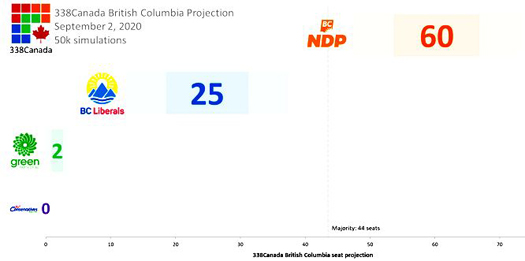
With B.C. Liberal leader Andrew Wilkinson’s low approval rating (21%), a silver-spoon, elitist leader absolutely lacking in anything approaching the ‘common touch’, and a provincial party leader possessed of the charisma of a kumquat, the B.C. Liberals will accept winning only 25 seats come October 24th, if it means ridding themselves of their Howe Street harridan.
One can easily see why pundits on the right are expressing concern about a pending election: the B.C. Liberals are all but going to be wiped out.
Why the B.C. NDP May Want to Hold Off on Calling an Election
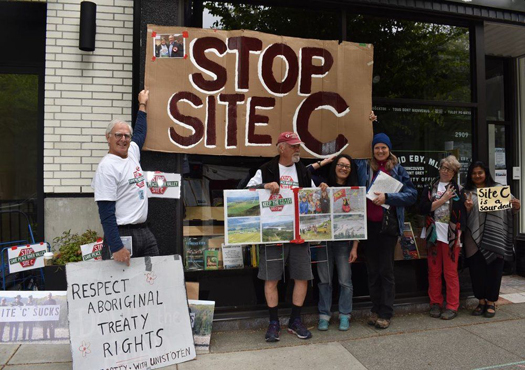
Traditional BC New Democrat supporters come out against the Site C dam project

Every Friday for more than a year, protesters — to a one, longtime members of the B.C. New Democratic Party — gathered outside Vancouver-Point Grey MLA David Eby’s office to protest the John Horgan government moving forward on the Site C dam project. The strong contingent of climate action B.C. New Democrats are also vehemently opposed to the $40B Shell Global liquid natural gas project in northern B.C., the fracking, and the environmental harm associated with the LNG project.

Mark Bowen, the B.C. Liberal candidate in Vancouver Point Grey

A significant number of VanRamblings’ friends with whom we’ve worked on the left for 50 years — folks once associated with In Struggle, the Workers’ Communist Party, Maoists, Trotskyites, the Marxist-Leninist Party of Canada, Black Flag anarchists, and more — have told us that under no circumstances will they cast a vote for the NDP in the next provincial election. Although VanRamblings believes David Eby will win again in Vancouver-Point Grey, it will likely be by a much slimmer margin than in 2017, due in no small part to the B.C. NDP’s position on Site C and LNG.

Teachers, parents and students across British Columbia are unhappy with the BC NDP's back to school plan

At the outset of their mandate in 2017, the John Horgan government made the decision to prioritize the seismic upgrading, or where necessary replacement, of schools across the province, and complete this work by 2022. Well, whaddya know — a political party that actually keeps its promise, in the process keeping our children (and teachers) safe. Kind of.
Parents, students and teachers across the province have continued to express grave concerns about the B.C. NDP government’s back to school plan. Daily, on social media, one can read one horror story after the other (following Patti Bacchus on Twitter oughta come with a disclaimer).
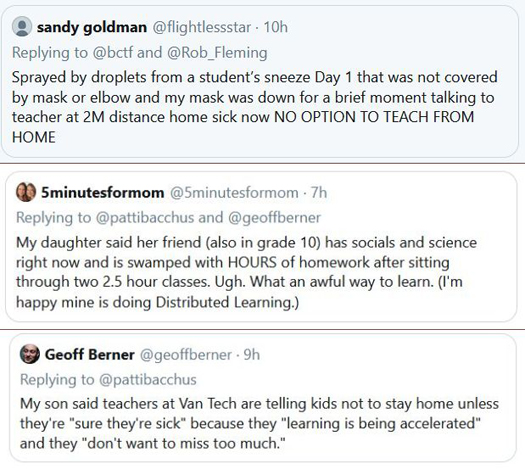

Parents and teachers express concern with B.C's back to school plan


VanRamblings believes that October 2020 is the right time for British Columbians to go to the polls

VanRamblings was around when Premier Dave Barrett went to the polls in December 1975, only three years and a bit into his government’s mandate. The NDP lost that election — even though they increased their vote, and during their term in office had transformed our province for the better.
In 1990, Ontario Premier David Peterson, much loved by the electorate, even with his majority government, decided to go to the polls on September 6th, dropping 59 seats, losing to Ontario NDP leader, Bob Rae.
For some weeks now, VanRamblings has told anyone who would listen that John Horgan would be foolish to go to the polls.
We no longer believe that panjandrum. Why?
For the first time in modern British Columbia political history, we have a government in Victoria that is utterly (and thankfully) scandal free. Imagine. John Horgan, his Ministers and the NDP caucus go to work for us, and never conduct themselves in a foolish or self-serving manner.
In John Horgan, we have a Premier — a true working class man of the people, and how unusual is that? — who allows his Ministers to get the job they’ve been assigned to do to get done, to find their efforts well-financed, the B.C. NDP caucus united, and ready and prepared always to get to work to make B.C. a better place to live, an inclusive and fairer place to live for everyone, no matter their nationality, country of origin, gender, or home community across our far flung province, a government committed to ensuring fair wages for working people, well on their way to constructing 110,000 units of affordable housing across British Columbia where citizens would pay no more than 30% of their income for housing, a government that removed tolls on our bridges, and payments for our medical services plan, who have met their commitment to the people all across our province.
As well, B.C. Health Minister, Adrian Dix has emerged as the hero we have always known him to be, steady, incredibly bright, compassionate, organized, a communicator who instills confidence each and every day.
Even while addressing the pandemic, Adrian Dix has assured what the B.C. Liberal party said was impossible: ensuring that every British Columbian has a family doctor, no matter where they live in our province, no matter what community they live in across Metro Vancouver and the Fraser Valley, or on Vancouver Island, where in every community across the province of British Columbia, the government of John Horgan has committed to constructing 24-hour urgent care centres, staffed by doctors and nurse practitioners, and are well on their way to meeting that commitment.
Where Ontario Premier Doug Ford, and Québec Premier François Legault have put themselves out front on COVID-19, taking to the airwaves daily, in British Columbia Premier John Horgan has encouraged Adrian Dix and Dr. Bonnie Henry to emerge as the faces of the fight against the deadly COVID-19 pandemic that has all of us and the world in its unforgiving grip.
The government of John Horgan moved forward on the construction of a new Patullo bridge — which seemed for the longest time as if it would never get built — is moving forward on the twinning of the George Massey tunnel, has funded an extension of the Millennium Skytrain line, first to Arbutus, and next to UBC, has begun a discussion on a new crossing to Metro Vancouver’s North Shore, has completed the construction of a new and much safer Island highway, while engaging in an an historic initiative that has brought the Premier, First Nations, and local decision makers together to discuss the Island Rail corridor the B.C. Liberal party had mothballed.
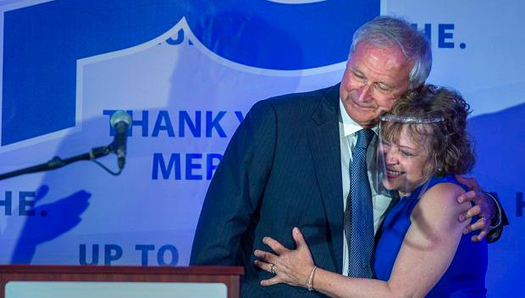
Premier Blaine Higgs wins a majority government in New Brunswick

On the evening of Monday, September 14th, New Brunswick Premier Blaine Higgs won a majority government mandate from the people of his province.
In the last provincial election in New Brunswick, in 2018, the New Brunswick Liberal party under leader Brian Gallant won 42.72% of the vote, to Blaine Higgs’ 34.64% of the vote for his Progressive Conservative Party. Even so, as was the case in 2017 in British Columbia when John Horgan signed a Confidence and Supply Agreement with the B.C. Green Party, Mr. Higgs was able to cobble together a working minority government.
Even so, mid-pandemic, Premier Higgs decided to call an election, and go to the polls, in order that he might feel assured that he had the confidence of the people — because, let’s face it, when one lives in a democracy, as we do, it is critical that the government has the support of the populace, particularly during these very trying, unprecedented times, in order that government might function effectively, in the best interests of the people.
And that is why — because John Horgan is a democrat to his core — our Premier will call for an election this autumn in British Columbia, at some point over the next week, to allow John Horgan and his British Columbia New Democratic Party to lead our province towards the safety and prosperity we all desire, to build the housing we need, to fund $10-a-day child care as an economic and a feminist initiative, to move our province forward towards a fairer, more just and inclusive, and more secure future.
When the people of New Brunswick were asked on election night why they voted for a majority Blaine Higgs government, the answer was a simple, straightforward one: stability. The people of New Brunswick wanted good government, steady, competent & caring, with a true leader at the helm.

“A lot of people wondered why Mr. Higgs called a general election during a global health crisis when he could have called the necessary by-elections and continued to govern with the support of the People’s Alliance. A steady hand at the wheel, Mr. Higgs turned the election into a referendum on managerial competence,” writes Donald Wright, a professor of political science at the University of New Brunswick, in an opinion piece published in The Globe and Mail this past Tuesday.

“Voters trusted Elections New Brunswick to run a safe election. Mail-in ballots were sent to anyone who wanted one, and record numbers voted at the advance polls. Providing masks, ensuring physical distancing and cleaning contact surfaces, returning officers ran a tight ship.

At the end of the day, Mr. Higgs got what he wanted when, half an hour after the polls closed, it was clear that his party would form a majority government with just under 40% of the popular vote.

Mr. Higgs won because he could credibly say that he had steered the province through the worst of the pandemic, something Liberal opposition leader Kevin Vickers, who failed to win a seat and resigned as leader, couldn’t say.”

In British Columbia, Premier John Horgan has proved a steady hand at the tiller, providing us with the government we have long needed. As VanRamblings has recently said to those in our life, “The citizens across our province are not about to change horses mid-stream. They know we have a good thing in Premier John Horgan, and Health Minister Adrian Dix, and a government that we all can rely on to best serve our collective interests.”
And so it is, and so it must be.
In forty-one days from today, on Saturday, October 24th, the people of B.C. will elect a majority John Horgan government that will allow him, and his colleagues, to get on with the job of keeping us safe & building prosperity.


VIFF 2020 | Nostalgia, Dystopia, Malfeasance, and Hydrous Myth

The 2020, 39th annual Vancouver International Film Festival

Today, four more films brought to you by the fine folks who programme the Vancouver International Film Festival, two documentaries, a France-German co-production from an acclaimed director, and the auspicous début of a young Japanese director. VIFF ticket and pass sales continue online.

The New Corporation: The Unfortunately Necessary Sequel (Canada). As Norman Wilner writes in his Georgia Straight review of Joel Bakan’s and Jennifer Abbott’s follow-up to their 2003, made in BC-made documentary, The Corporation, “The New Corporation concludes we’re all pretty much screwed.” The 2003 doc was that rare political film with the power to remove the scales from our eyes, not simply asserting that big companies were destroying the world, but looking at the legal frameworks that created corporations that consistently placed profit over social or ethical concerns.
Investigating the evolution of corporate greed, in The New Corporation Bakan and Abbott provide a dense yet fast-paced exposé on how corporations profit from the carnage they’ve created both environmentally and politically, and their embrace of nihilism as an economic raison d’être, as elucidated by the MAGA folks who’ve latched onto the fear-mongering these corporations promote, those who march in the streets denying our current pandemic, all the while allowing Charles Koch and his cohorts to profit through the misery of others while netting profits through privatized prisons and schools — and working to make our lives as miserable and disconnected as possible — not just in North America, but across the globe.

Undine (Germany/France). Winner of the Silver Bear (Best Actress) for Paula Beer at the Berlinale this year, Undine represents an odd new beauty from German auteur Christian Petzold (Transit) who explores and updates the myth of the water nymph who has to kill her lover should he betray her.
Unsurprisingly, water plays an important role throughout the film — Undine comes from the Latin word for “wave,” suggesting both water & movement — and there are several beautifully shot underwater scenes that work on a visual level while making room for Petzold’s usual thematic concerns, capturing frantic characters doomed by dark obsessions. At its core, a haunting, fantastical and passionate female-centred supernatural romance revolving around a doomed love, Undine also questions the fixed nature of human behaviour in a world whose borders are constantly shifting.

The Town of Headcounts (Japan). One of the five Canadian premières that represent a constituent element of this year’s VIFF Gateway Asian series, Japanese director Shinji Araki’s The Town of Headcounts — a chilling, beguiling and electrifying thriller — makes its international début at the 39th annual Vancouver International Film Festival.
One of the most politically astute films to come out of Japan in years, as well as a potent and disturbing sci-fi classic, Headcount offers viewers an allegory of a dystopian Japanese society dedicated to keeping its citizens docile and dependent on sexual abandon, instant gratification and transactional sex — where rules of etiquette are nonetheless strictly enforced — in order that the state might direct the attention of the populace away from the near constant threat of terrorism, the incessant intrusion of the surveillance state, the unrelenting malaise that has the globe in its grip, and the decimation of democratic institutions.

“With contributions from our programme consultants — Maggie Lee for Japan & Korea, and Shelly Kraicer for China, Hong Kong & Taiwan — the Gateway series offers VIFF members an intimate window into the vibrant cultures of East Asia,” avers PoChu AuYeung, VIFF programme manager and senior programmer. “This year’s eclectic collection of cinematic experiences is at times sentimental, inquisitive, and occasionally even shocking — but what unifies them is the authenticity of voices and beauty of expression from one of the film world’s most exciting creative regions.”

The Town of Headcounts is Shinji Araki’s riveting directorial début.

Jimmy Carter: Rock & Roll President (USA). The Canadian première of director Mary Wharton’s infectiously charmingly and wistful remembrance of an earlier and, perhaps, more sane time in American politics, in its 96-minute running time tells the tale of an enlightened U.S. commander-in-chief who was a true aficionado and lover of American popular music.
Jimmy Carter: Rock & Roll President is more than just a record of Carter’s knowledge of our musical history. This lively documentary explores his belief that American music reflects the country’s soul: “I think music is the best proof that people have one thing in common no matter where they live, no matter what language they speak.” Director Mary Wharton, in collaboration with writer Bill Flanagan, help make Carter’s case by weaving together interviews with entertaining, at times inspiring, archival and concert footage. The film will make you nostalgic for great music and for a return to true spiritual leadership down south. The Man from Plains was not a mere peanut farmer who stumbled into the country’s highest office; he was a principled leader whose spiritual beliefs and southern roots brought youthful passion and moral direction to the presidency.
After the misery, cynicism, and division of the past four years in America, Jimmy Carter: Rock & Roll President is a breath of fresh air.

BC Poli | BC NDP To Win Coveted Majority October 20th | Part 1

British Columbia Premier John Horgan believes the province in a strong position for an economic rebound

With the majority win last evening by Premier Blaine Higgs in the 2020 New Brunswick pandemic election — an election to which politicians, both provincial and federal, were looking to for insight as to how voters felt about going to the polls in the middle of a pandemic — the decks are now cleared for British Columbia’s first-term Premier / man of the people, John Horgan — currently the most popular Premier in Canada, with a 56% approval rating — to call a British Columbia provincial election as early as this coming Saturday, and no later than next Tuesday, which means that given a 28-day election period, the B.C. electorate could be going to the polls, either on Saturday, October 17th or on Saturday, October 24th.

Although newly-elected B.C. Green Party leader Sonia Furstenau called out the Premier at the assumption of her leadership of the party, just because the Greens find themselves ill-prepared and underfunded for a provincial election campaign — with ex-B.C. Green Party leader, Andrew Weaver, stating bold facedly that he’ll campaign for the election of a majority B.C. NDP government led by John Horgan, as he told VanColour podcast host Mo Amir in an August 31st interview, “I hope [John Horgan] is Premier again. British Columbia has been very well-served by the Premier.” That there is no love loss between Weaver, and his former Green Party seatmates, Furstenau and Adam Olsen, doesn’t bode well for the Greens, particularly when recent polling shows the BC NDP sweeping Vancouver Island.

Tracey Redies, Andrew Weaver and Carole James will not seek re-election in British Columbia

On July 29th, when Surrey-White Rock Liberal MLA Tracy Redies announced that she would be leaving politics on August 31st to start a new job as CEO of Science World in September, necessitating a by-election, with rumours out of Victoria that Andrew Weaver will resign his seat this month in order to care for his ailing wife, and the health of Finance Minister Carole James continuing on the wane, even moreso than when she announced on March 5th that she would not seek re-election after being diagnosed with Parkinson’s disease, there is every reason to believe that in order to maintain a stable government in the midst of a deadly pandemic, Premier Horgan believes he must seek the support of the electorate going forward.

338 Canada projects a majority BC NDP government were an election to be called in September 2020

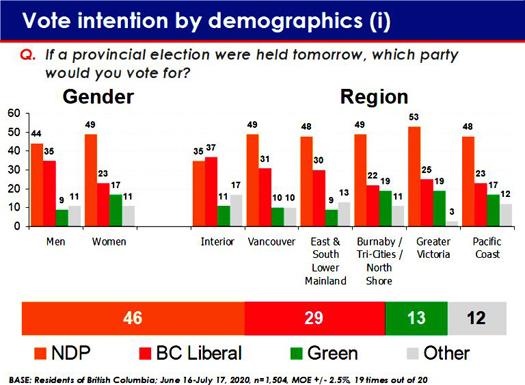
The latest 338Canada polling projection indicates 99.9% odds of the British Columbia New Democratic Party forming the next government with a majority mandate, while an EKOS poll conducted this summer shows the BC NDP with a substantial lead over their woebegone B.C. Liberal rivals.

EKOS poll shows British Columbia New Democratic Party with a commanding lead

British Columbia’s New Democratic Party is in full-on election preparation mode, with the largest war chest the party has ever gone into an election with, with new election legislation passed early in their current term of office that will limit expenditures by their B.C. Liberal opposition rivals, with BC NDP constituency associations across the province rushing to confirm candidates in each of the 87 ridings up for grabs, with the BC NDP running ahead in every part of the province — except the Cariboo, where polls indicate a statistical dead heat — with sitting MLAs across the province conducting fund raisers, with constituency associations seeking rental accommodations to house election offices, with BC NDP election preparation / phone bank instruction Zoom meetings scheduled across the province, well, it ain’t hard to believe that as early as this upcoming Saturday, British Columbians — or at least the 61.2% of the electorate the deigns to go to the polls — could very well find ourselves in the midst of British Columbia’s 42nd general election, when each and every one of us is afforded the opportunity to exercise our democratic franchise, as we set about to elect to Victoria a provincial government that will best represent our individual and collective interests over the next four years.

British Columbia electorate, amidst the pandemic, to wear masks to the polls

VanRamblings, now that we’re publishing again daily, is doing our very best to provide coverage of the upcoming 39th annual Vancouver International Film Festival, which we will continue tomorrow.

Vancouver Sun columnist Vaughn Palmer predicts a B.C. provincial election on Hallowe'en

On Thursday, though, VanRamblings will publish part two of our British Columbia election prediction, as we seek to provide insight into what going to the polls will look like, which ridings are most contentious — both the politics within the ridings, as BC NDP candidates vie for a coveted nomination, and which ridings are most likely up for grabs — the achievements of the BC NDP government to date, as well as what the core issues will be as we head into an early provincial election, and - as well - where the governing party might well be tripped up — election outcomes should never be considered a foregone conclusion.

Vote B.C. Liberal | BC NDP | BC Green Party in the 2020 British Columbia provincial election

One last thing as we head into a provincial election: join the provincial political party of your choice, get out on the campaign trail to support the candidate running for the party you support in the constituency in which you reside, set aside up to one per cent of your annual income in donations to the political party of your choice (if you are able to do so), and break down any sense of isolation and anomie you might feel by getting to know your neighbours, those with whom you share the core values that give your life meaning, and who reside nearby you. Next to raising and loving your children, there is no better use of your time and energies than to contribute your personal and financial resources towards electing the candidate of your choice to represent yours, and your neighbours’, best interests.

VIFF 2020 | Intoxicating, Terrifying, Celebratory & Priceless

The 2020, 39th annual Vancouver International Film Festival VIFF Connect

One hundred plus award-winning films in 14 days, what’s a person to do?
Today, the first instalment of VanRamblings’ informed insight, into three films set to find their way onto your home screen through VIFF Connect, the celebration of the best in homegrown and international cinema, that will commence just a week this Thursday, on September 24th.

Another Round (Denmark). The Danish title is Druk, a term which is maybe best translated by adding the letter N before the one at the end.
Originally slated to play at Cannes this year, and currently screening at the Toronto International Film Festival, director Thomas Vinterberg reteams with his The Hunt star, the always engaging Mads Mikkelsen, for a darkly comic referendum on intoxication. Compelling, and more than a little sobering, Vinterberg takes aim at his home country’s drinking culture, in a film that resonates far beyond Denmark’s shores. Mikkelsen plays a high-school teacher beginning a reckless experiment with alcohol, in this tragicomic and bittersweet portrait of midlife crisis and alcohol abuse.

Another Round is sweeter, lighter and more conventional than most of Vinterberg’s past work, eschewing the bleak social commentary that underscored films like The Celebration, Submarino and The Hunt. Even so, it makes for an appealing ensemble piece, as well as a great vehicle for Mikkelsen’s vulpine beauty and nimble dance moves. For anyone who has ever craved seeing this former gymnast doing his finest Gene Kelly impersonation to pounding Europop, your dream movie has finally arrived.

Capturing the gleeful, anarchic euphoria of being merrily drunk in the company of good friends, Another Round — although it doesn’t have much profound to say about intoxication and addiction — does offer an engaging tribute to friendship, family and bacchanalian hedonism in moderation.

The Forum (Germany/Switzerland). In his latest documentary, German filmmaker Marcus Vetter takes a look behind the scenes of the World Economic Forum in Davos. As the first independent film director to get such access, Vetter’s fascinating documentary gives rare behind-the-scenes access to the World Economic Forum. Providing an admirably balanced deep dive into the organization that brings together the elite from the worlds of politics, big business and beyond is something to be celebrated, and more than justifies its near two-hour running time.

At the heart of the film is Professor Klaus Schwab, the 81-year-old whose brainchild the WEF was and who displays such incredible diplomatic skills that you wonder what he might have achieved as a head of a country. His aim is to further social cohesion across the globe by creating dialogue between those who might not otherwise listen to one another. There are plenty who are skeptical about how successful the WEF has been at improving the world, however, and they are given a voice here too. That includes Greenpeace International’s executive director Jennifer Morgan, who talks about the “mega group-think” of elites that is “99 per cent status quo” rather than a movement for change. (Screen Daily)

One attendee who insists Schwab, not to mention the 3,000 global figures he gathers annually, must do more, is Greta Thunberg. The young climate activist from Sweden attends with her father and is regarded unseriously as a quaint novelty by many of the other participants until her stark address hits home. “It feels like I’m at a firefighters’ conference, and no-one is allowed to speak about water,” she says of the hypocrisy of a conference that prizes success stories but is unwilling to admit their terrible price.
The final part of the film is focused on the 2019 Davos event, which is very different from the previous one. This time around, there is no May, Trump nor Macron; instead, Bolsonaro and Thunberg are there, and an exchange between the Brazilian president and Al Gore is surely one of the most priceless moments in documentary cinema captured in recent years.

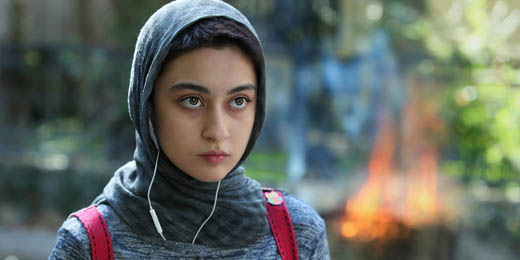
Yalda, A Night for Forgiveness (Iran). Grand Jury Prize winner in the World Dramatic Competition at the Sundance Film Festival this year, filmmaker Massoud Bakhshi (A Respectable Family), who wrote and directed this suspenseful exposé of Sharia law, tells the story of a young woman convicted of murder who goes on Iranian TV to try to win a pardon.
The way religious law penetrates every aspect of Iranian life, from a murder case to how a TV show is run, is probably the most striking aspect of the film. The perverse logic of temporary marriage, inheritance laws favouring boys and homicide laws stacked against wives, not to mention the practice of paying one’s way out of a hanging with “blood money” to the victim’s relatives, become casual plot elements in Bakhshi’s well-shot melodrama.
As the story of the “murder” comes out, one outrageous fact follows another. To begin with, the wealthy husband Nasser Zia was 65 and married when he decided to implore innocent young Maryam, his driver’s daughter, convincing her he loved her and getting her to agree to the infamous practice of “temporary marriage,” which avoids sin along with permanent commitment, although not Maryam’s pregnancy, causing the two to fight, resulting fatefully in Zia’s death, for which Maryam is held accountable.
Grippingly paced, opulently shot in muted colour by cinematographer Julian Atanassov, with precise and always fluid editing by Jacques Comets, the film’s bold method of addressing themes of maternal sacrifice, and what determines both legal and religious rights in a country where the Western concept of feminism is inherently offensive, Yalda is timely and terrifying film fare, available only at the 39th Vancouver International Film Festival.

star.jpg star.jpg star.jpg

2020 Vancouver International Film Festival: Contemporary World Cinema

Click here for VanRamblings’ introductory coverage to western Canada’s gloriously west coast, this year largely virtual edition, of our homegrown and keenly spectacular 39th annual Vancouver International Film Festival.